

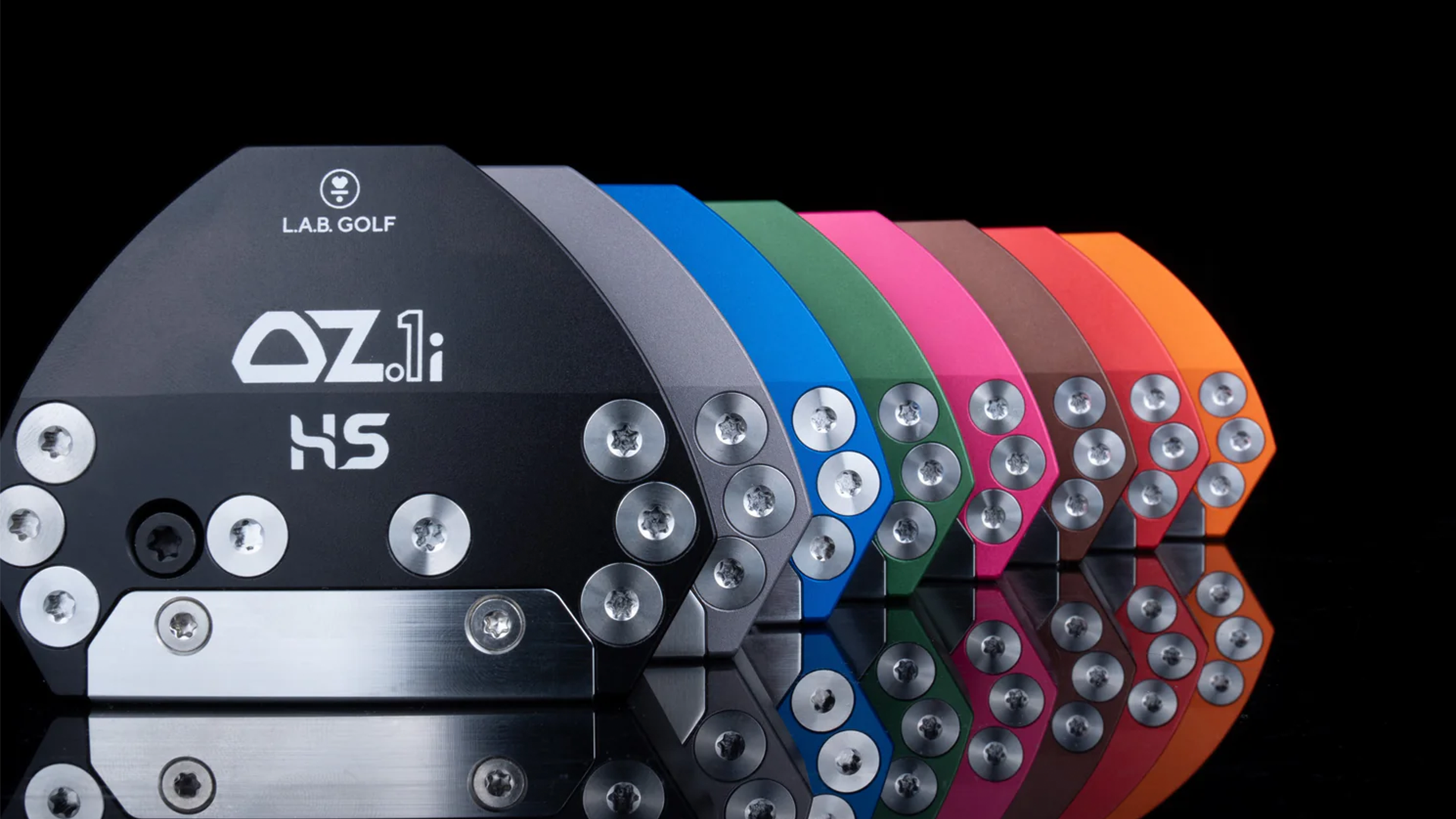
LAB putters use Lie Angle Balance technology to reduce face rotation, increase stability and improve consistency. Fully custom fitted, they offer high-performance design, premium materials and personalised specifications for serious golfers.
Price: £450+
Head types: DF Series, MEZZ, OZ models
Length options: Custom (e.g. 33–38 inches or more)
Face options: Standard aluminium or insert plate
Shaft choices: Steel or graphite
Customisable alignment features
Head finishes and colour options
Pros
Exceptional stability due to Lie Angle Balance technology
Reduces unwanted face rotation through impact
Very forgiving on off-centre strikes
Fully custom fitted (length, lie, shaft, face, grip, alignment)
Multiple head shapes to suit different visual preferences
High-quality materials and premium build
Can significantly tighten dispersion and improve consistency
Long-term value if fitted correctly
Expensive (£450–£700 range)
Looks are divisive, especially DF and MEZZ models
Larger head sizes may not suit traditionalists
Insert option can feel too firm for some players
Unique feel takes time to adjust to
Requires proper fitting to maximise performance
There are certain pieces of golf equipment that create genuine noise in the industry and not just marketing buzz, but real player-driven hype. Over the last few seasons, few brands have generated more conversation on the greens than L.A.B. Golf.
I recently went through a LAB putters fitting, and after spending time with multiple models, shaft options and face configurations, I think I now understand why so many golfers swear by them.
I’m going to break down:
What Lie Angle Balance actually means
The different models and options available
What the fitting process looks like
My honest subjective rankings (look & feel, performance, value)
Whether the hype is justified
If you’re considering investing £450–£700 in a putter, this will give you the clarity you need.
What Is Lie Angle Balance?
LAB stands for Lie Angle Balance, and that’s not just branding.
Traditional putters are torque-balanced in various ways (face-balanced, toe-hang, etc.), but LAB takes a different approach. Every putter they produce is engineered so that the putter head is balanced to your specific lie angle, meaning it resists twisting throughout the stroke.
In simple terms:
The face wants to stay square to the arc.
The head resists rotation.
Small stroke errors create smaller face-angle deviations at impact.
And in putting, face angle is everything. A face just 1° open at impact can miss the hole entirely from 8–10 feet. So reducing rotation isn’t just technical jargon, it’s directly tied to making more putts. Something I could definitely benefit from!
Unlike many brands now marketing “low torque” designs, LAB builds every model around this principle. It isn’t a feature. It’s the foundation.
LAB Putters Fitting: Why It Matters
One thing became immediately clear during my session: LAB putters only truly works as intended when it’s fitted properly.
My measured specs came out at:
Length: 36 inches
Lie angle: ~66 degrees (slightly flatter than standard, and flatter than i’d expected!)
Slightly closed setup at address
Face occasionally arriving ~4° open at impact
Minor strike variation (toe to heel)
Those numbers explained a lot about my tendencies, particularly my right miss.
Because LAB balances the putter to your lie angle, getting that number right is critical. If the putter isn’t matched to your setup, you’re not unlocking what makes it special.
This is not a “grab it off the rack and go” product. The fitting is part of the experience, and part of the value.
The Models: Breaking Down the Range
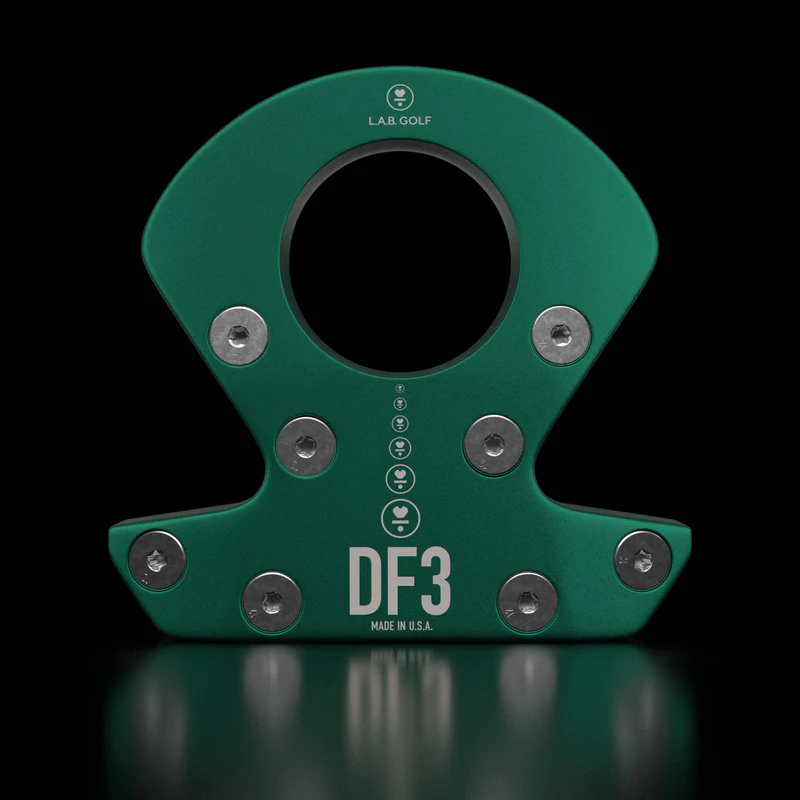
The DF series is the most recognisable of all the LAB putters design, large, unapologetically high-MOI mallets built for maximum stability.
The newer DF 3 refines the shape slightly, but it’s still a substantial head. Alignment is extremely clear. Stability is extreme.
My take on the look:
It’s big. Very big. While I appreciated the forgiveness, I wasn’t particularly a fan of the overall size and look at address. It felt like a lot of putter behind the ball.
For players who prioritise stability above aesthetics, this could be perfect. For me, visually, it wasn’t love at first sight.
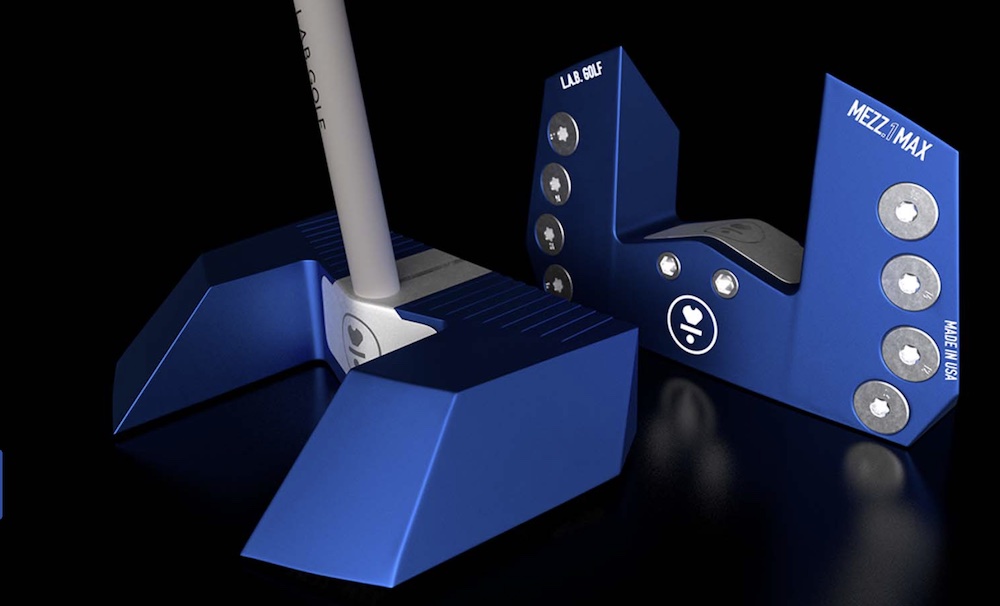
The MEZZ aims to bridge the gap between traditional mallets and LAB’s high-MOI shapes.
It’s more compact than the DF, more sculpted, and visually more modern.
My honest opinion?
I struggled with the look. It’s definitely not one i’d gravitate towards, however, the beauty of LAB is there are style for everyone!
The shaping and visual complexity didn’t sit comfortably for me at address. That’s completely subjective, some players love it, but it just didn’t give me confidence visually.
With putting, confidence is non-negotiable.
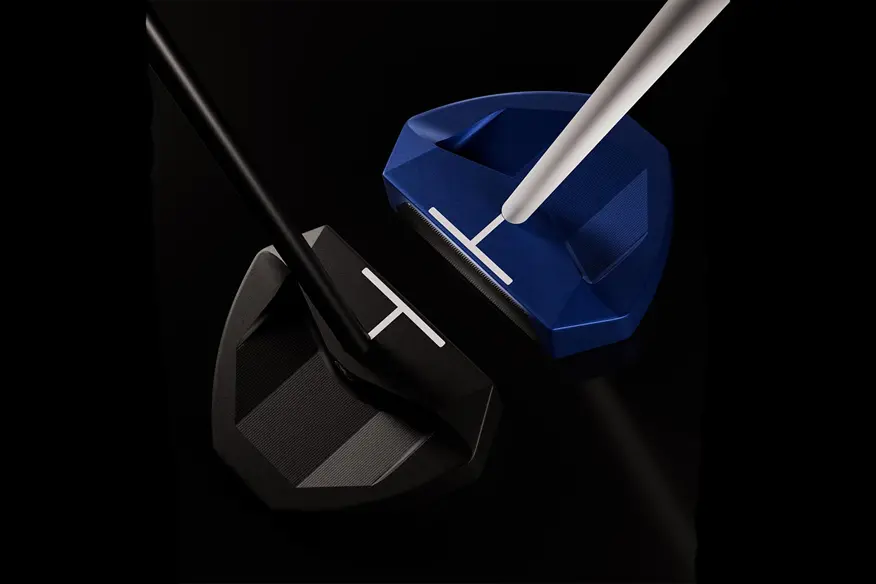
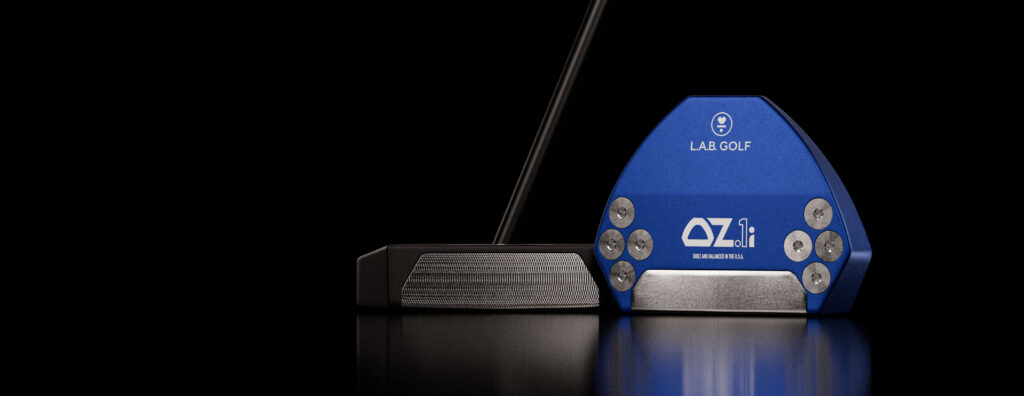
This was the standout for me.
The OZ offers:
A more traditional mallet silhouette
Clean alignment options
Multiple colour choices
A refined, confidence-inspiring head shape
It felt like the most balanced option aesthetically. Modern without being overwhelming. Stable without being oversized.
If I were ordering one, this is where I’d land.
Look & Feel – 3/5
Let’s address this honestly.
The Look
Didn’t love the MEZZ.
Found the DF 3 slightly too large.
Really liked the OZ, especially the alignment features and custom colour options.
Overall, visually, I’d give LAB a 3/5.
They prioritise function over beauty and that shows. Some golfers love the engineering-first aesthetic. I found it took some adjustment.
The Feel
Here’s where it got interesting.
LAB offers:
Standard aluminium face (softer, quieter)
Insert option (firmer, slightly more pop)
For me, the plate insert ruined the feel. It felt too firm and clicky.
However, the standard face was genuinely impressive:
Soft
Muted acoustics
Great feedback without harshness
Shaft choice matters too:
Steel = firmer, more connected
Graphite = softer sound and smoother feel
I preferred graphite with the standard face.
When all things are considered, visuals plus feel — it lands at 3/5 overall.
Not bad. Not perfect. Solid.
Performance – 4.5/5
This is where the hype makes sense.
The talking point is stability, and it absolutely delivered.
Even though the sensation felt a little alien at first (because the head resists rotation), the results were undeniable:
My typical right miss stayed online.
Off-centre strikes still tracked toward the hole.
The face felt like it wanted to stay square.
And I holed a lot.
More than I expected.
The biggest difference wasn’t that it made everything perfect, it was that my misses were better. They stayed closer. They lipped out instead of sliding past.
That’s huge in scoring terms.
The stability is real. It’s measurable. And I can absolutely see why players fall in love with it.
Performance rating: 4.5/5
Value – 4/5
Let’s talk money.
LAB putters range roughly from £450 to £700, depending on customisation.
That’s expensive.
But here’s my philosophy:
If you’re willing to spend £500 on a driver you hit 10–12 times per round…
Why wouldn’t you invest in the club you use 30+ times?
And this isn’t just a premium badge product.
You can customise:
Length
Lie angle
Shaft (steel or graphite)
Face type
Alignment markings
Grip
Colour and finish
This isn’t off-the-rack. It’s built for you.
And if it’s fitted properly, there’s genuinely no reason to change for years.
Because once a putter matches your stroke and reduces face rotation, what are you chasing after that?
For that reason, despite the high price tag, I give it 4/5 for value.
Who Are LAB Putters Actually For?
Based on my experience, LAB putters are ideal for:
Golfers who fight face control issues
Players who miss consistently right or left
Anyone with stroke rotation they can’t quite eliminate
Golfers willing to commit to a fitting
They may not be for:
Golfers who are extremely traditional visually
Players who love ultra-compact blade aesthetics
Those unwilling to adapt to a slightly different feel
If you don’t know what you should be buying this season, then check out our buying guide to help you understand what clubs offer right attributes for you. Click here to find the right clubs for your game.
The Verdict: Is the Hype Real?
Yes, but with nuance.
Lie Angle Balance is not magic. It doesn’t fix poor green reading. It doesn’t guarantee perfect speed.
But it absolutely reduces unwanted face rotation.
And in putting, face control is king.
My final ratings:
Look & Feel: 3/5
Performance: 4.5/5
Value: 4/5
Overall, LAB putters are engineered tools built around measurable stability. The performance is undeniable. The visuals are divisive. The value depends on whether you see putting as an investment or an expense.
After my fitting, I understand why golfers love them.
And while they may not be the prettiest putters I’ve ever stood over, they might be some of the most effective.
If you’re serious about lowering scores, a LAB fitting is worth experiencing at least once.
Because sometimes the hype exists for a reason.
Let us know your thoughts and be sure to check out more reviews and insights!