


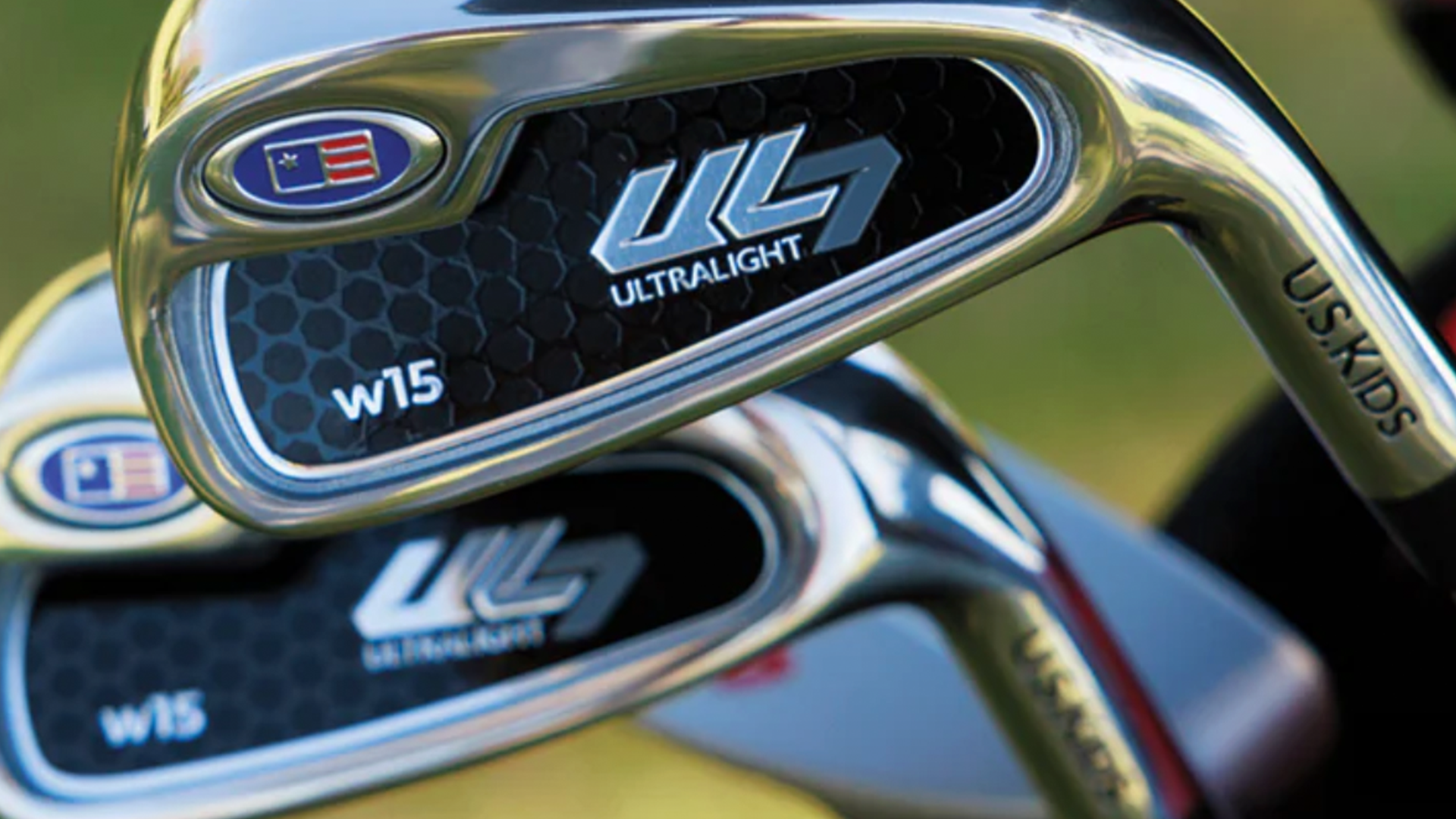
When it comes to junior golf development, few brands have had as profound an impact as US Kids Golf. Over the past two decades, they have positioned themselves not just as a manufacturer of children’s golf clubs, but as a pioneer in how young players are introduced to the game. Their Ultra Light range, in particular, has become synonymous with properly fitted junior equipment and long-term player development.
Having spent the years from 2009 to 2023 as a full-time junior golf coach, working with an average of 150 young players per week, I’ve seen firsthand the difference equipment can make. And quite simply, U.S. Kids Golf stood head and shoulders above the rest.
The Origins of U.S. Kids Golf
U.S. Kids Golf was founded in 1996 by Dan Van Horn, a PGA professional and former junior golf coach. The company was born out of a simple but powerful realisation: children were being taught golf using scaled-down adult clubs, rather than equipment specifically engineered for their size, strength, and developmental stage.
Van Horn observed that junior golfers were often struggling not because of a lack of talent or instruction, but because the tools they were given were fundamentally unsuitable. This insight led to the creation of clubs that were lighter, shorter, and more flexible, designed specifically for young players.
From that starting point, U.S. Kids Golf expanded into a full ecosystem that includes equipment, tournaments, and player development pathways. Today, they are widely recognised as a global leader in junior golf.
What Makes Ultra Light Clubs Different?
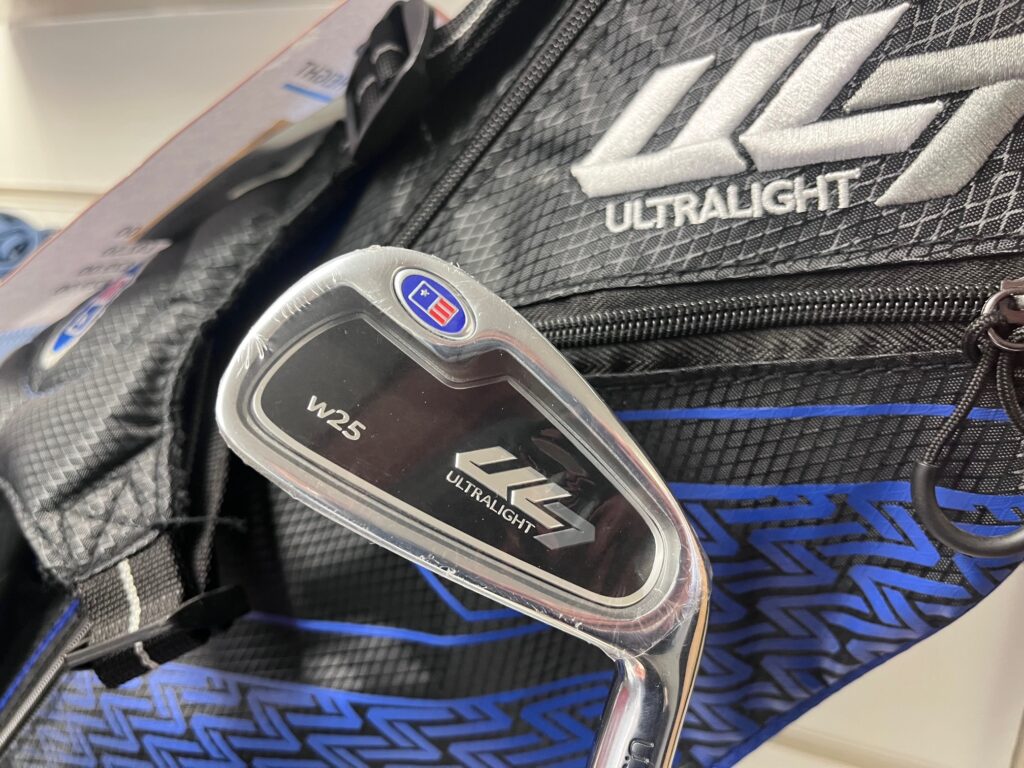
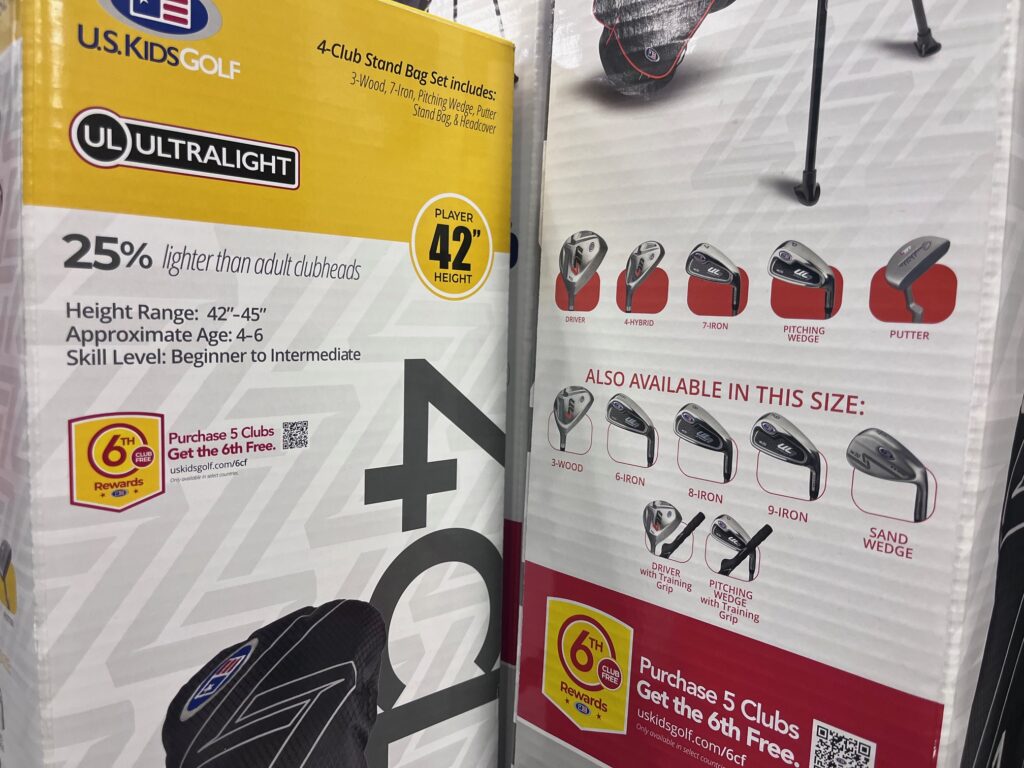
The defining feature of the Ultra Light range is exactly what the name suggests: weight. These clubs are up to 30% lighter than traditional junior clubs, making them significantly easier for children to swing.
But the innovation goes deeper than just weight reduction:
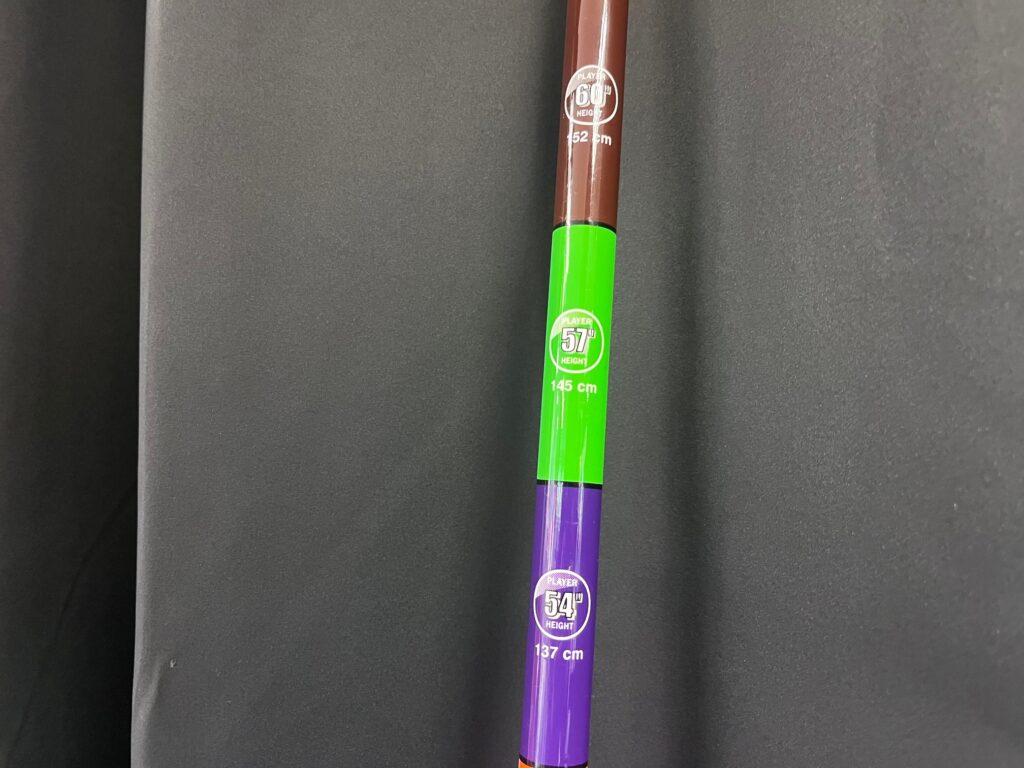
- Height-Based Sizing System: Rather than grouping clubs by age (e.g., 7–10 years), U.S. Kids Golf uses a precise height-based fitting system.
- Flexible Shafts: Designed to match slower swing speeds, helping children generate better ball flight.
- Optimised Club Heads: Larger sweet spots and forgiving designs to promote confidence and consistency.
- Progressive Set Makeup: Clubs are introduced in stages as the child develops.
This approach aligns far more closely with how children actually grow and learn.
Who Are They Aimed At?
U.S. Kids Ultra Light clubs are aimed at junior golfers typically between the ages of 3 and early teens, but more importantly, they are aimed at children of specific heights and physical capabilities, not just age brackets.
This distinction is crucial.
Children develop at vastly different rates. Two 7-year-olds can differ significantly in height, strength, coordination, and motor skills. By focusing on height rather than age, U.S. Kids ensures that each child is using equipment that matches their body, not an arbitrary age category.
Why They Are Leaders in Junior Golf
There are several reasons why U.S. Kids Golf has become the industry leader:
1. A Development-First Philosophy
Unlike many brands that simply scale down adult equipment, U.S. Kids builds clubs from the ground up with junior biomechanics in mind. Everything, from shaft flex to grip size, is engineered specifically for children.
2. Consistency Across the Ecosystem
Their influence goes beyond equipment. They have developed:
- The U.S. Kids Golf World Championship
- Structured learning pathways
- Coaching resources for professionals
This creates a consistent experience for young golfers worldwide.
3. Height-Based Fitting System
This is arguably their biggest innovation and the one that has the most immediate impact on performance and enjoyment.
4. Proven Results
Coaches, academies, and national programs globally rely on U.S. Kids equipment. The results are visible not just in performance, but in how quickly children develop proper technique.
A Coach’s Perspective (2009–2023)
From my own experience coaching junior golfers full-time for over a decade, the difference in equipment quality and suitability was impossible to ignore.
On average, I worked with around 150 juniors per week. Across that volume of players, patterns become very clear very quickly.
U.S. Kids Golf was, by far, the number one choice among those who progressed most efficiently.
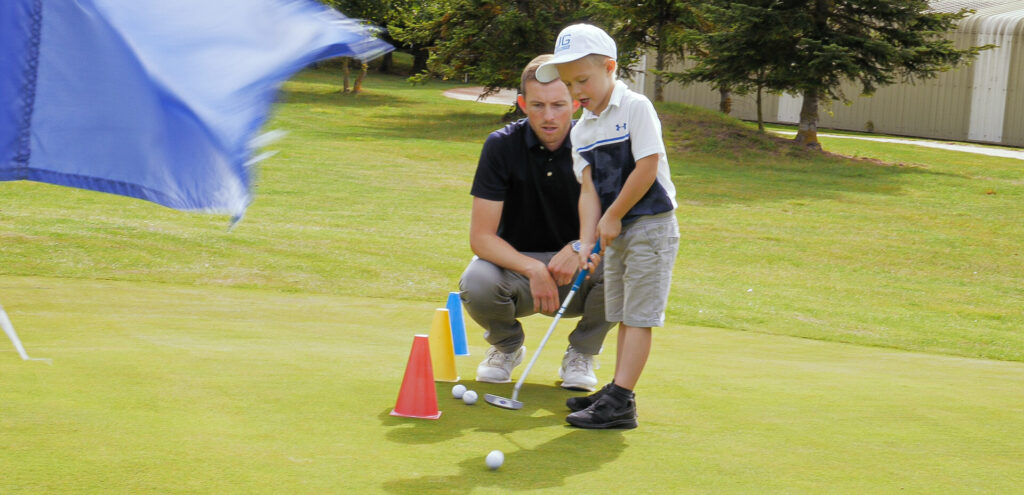
The Problem with Age-Bracketed Clubs
Many children would arrive with cheaper sets marketed as “ages 7–10” or similar. While convenient from a retail standpoint, this approach often created significant issues:
- A smaller 7-year-old might be given clubs far too long and heavy
- Oversized clubs made it difficult to control the swing
- Poor posture and compensations would develop early
- Swing mechanics were often compromised before they even had a chance to form correctly
Quite simply, the equipment was working against them.
Because their muscles and physical coordination hadn’t developed enough to manage the club, their progression was often stunted. In some cases, it even led to frustration and loss of interest in the game.
The U.S. Kids Difference in Practice
In contrast, children using U.S. Kids Ultra Light clubs experienced immediate benefits:
1. Improved Swing Mechanics
With clubs suited to their height and strength, children could:
- Maintain better posture
- Swing on a more natural plane
- Develop rhythm and timing more easily
2. Increased Confidence
When a child can actually control the club, they enjoy the game more. That confidence translates into:
- Better practice habits
- Greater engagement during coaching sessions
- Faster skill acquisition
3. Observable Performance Gains
One of the most striking things I observed was the difference between children of similar:
- Height
- Age
- Ability
When one used U.S. Kids clubs and another used a budget set, the gap in swing quality and ball striking was often dramatic.
It wasn’t subtle, it was immediate and obvious.
The Importance of Proper Fitting
If there is one piece of advice I consistently gave parents, it was this:
Choose clubs based on a child’s development, not their age.
Children grow at different rates. Growth spurts vary. Strength develops unevenly.
A height-based system, like that used by U.S. Kids Golf, ensures that the equipment evolves with the child, rather than holding them back.
The U.S. Kids Handicap System
Another standout innovation from U.S. Kids Golf is their approach to handicapping.
Rather than using a traditional numerical handicap system, they use a tee-based progression system.
This means:
- Children don’t just compete with a number
- They play from tee boxes appropriate to their ability and development
- Course length is adjusted so that all players have a realistic chance to reach greens in regulation
The goal is simple but powerful:
create fair competition and positive scoring experiences.
This approach helps:
- Build confidence
- Encourage strategic thinking
- Keep the game enjoyable
It removes the frustration of playing a course that is simply too long for a junior golfer.
Value vs Cost
It’s true that U.S. Kids Ultra Light clubs are slightly more expensive than many budget junior sets.
However, this is a classic case of value over price.
With cheaper clubs, you often pay less upfront, but the hidden cost is:
- Slower development
- Poor technique habits
- Reduced enjoyment
- Potential need to replace equipment sooner
With U.S. Kids clubs, you are investing in:
- Proper technique from the start
- Faster progression
- A more enjoyable learning experience
- Long-term success in the game
From a coaching perspective, the return on that investment is significant.
Final Thoughts
U.S. Kids Ultra Light golf clubs are not just another junior product, they represent a fundamentally better approach to introducing children to golf.
Their focus on height-based fitting, lightweight design, and developmental suitability sets them apart as true leaders in junior golf equipment.
From my years as a junior coach, the conclusion is clear:
Children who used U.S. Kids clubs had a measurable advantage, not because the clubs made them “better,” but because the clubs allowed them to develop properly.
They could swing naturally. They could learn correctly. And most importantly, they could enjoy the game.
If you are serious about giving a child the best possible start in golf, choosing equipment that matches their development, not just their age, is essential.
And in that regard, U.S. Kids Golf remains the benchmark.