


Short-sided wedge shots can make even confident golfers nervous. When the pin is tight and the ball is tucked behind a bunker, I see players hesitate, they either duff it, catch it fat, or air-mail the green. The solution is simple (and a little counterintuitive): commit to your routine, stay down through the strike, and control the clubface. Here’s the practical, repeatable method I coach to help you improve the short game wedge shots and get up-and-down more often.
Why Most Short Game Wedge Shots Fail
In my coaching, the same mistakes show up again and again:
Standing too close to the ball
Lifting up too early
Fiddling with the club face at the wrong time
These habits lead to heavy bunker shots, scuffed strikes, or shots that fly too low or too far. The fix isn’t more “feel” — it’s a clear setup and a reliable pre-shot routine that forces commitment and patience.
Setup Fundamentals I Teach
Get these right and you immediately improve your strike quality:
Club choice: Sand wedge or lob wedge, depending on how much height and stopping power you need.
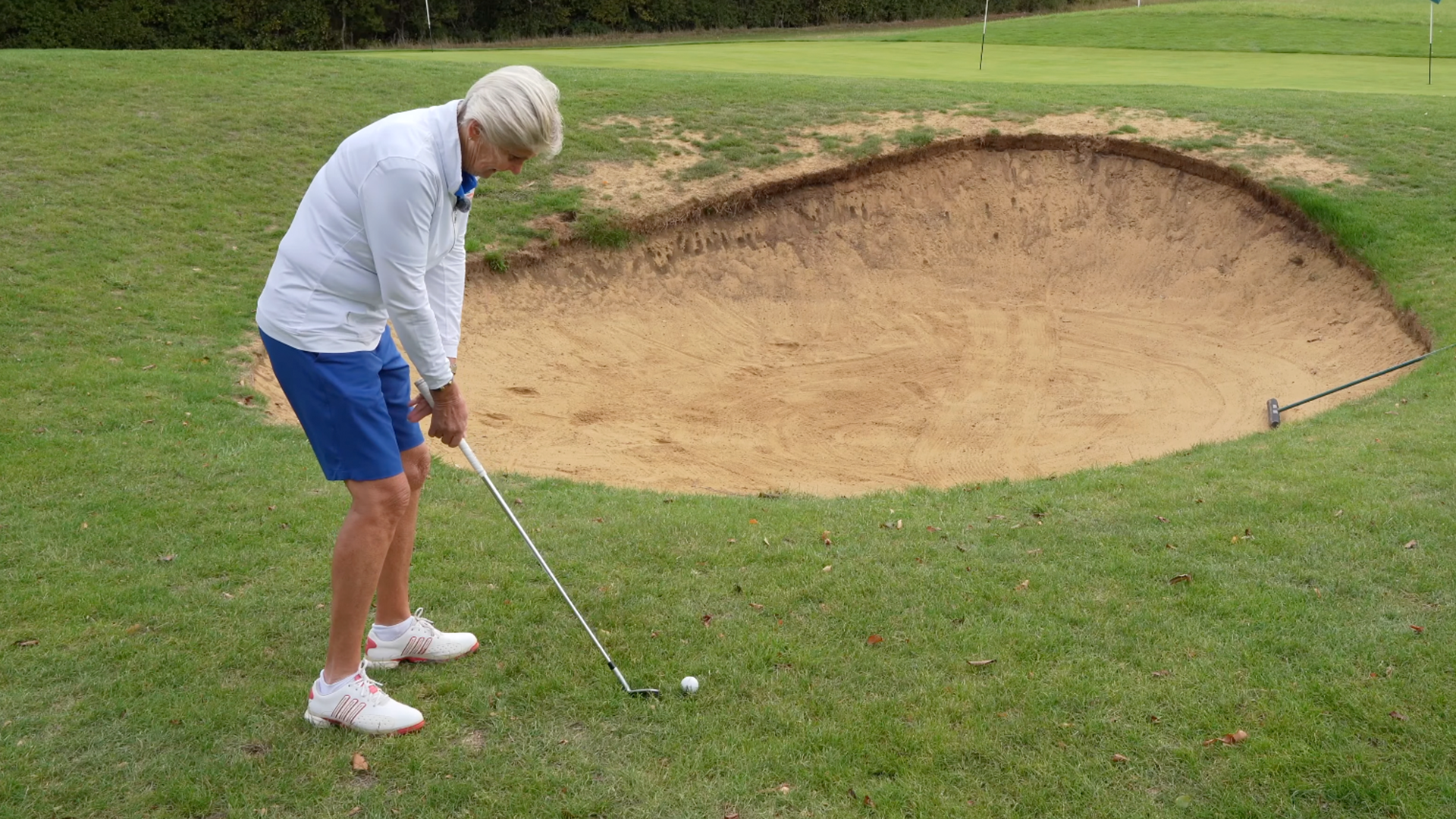
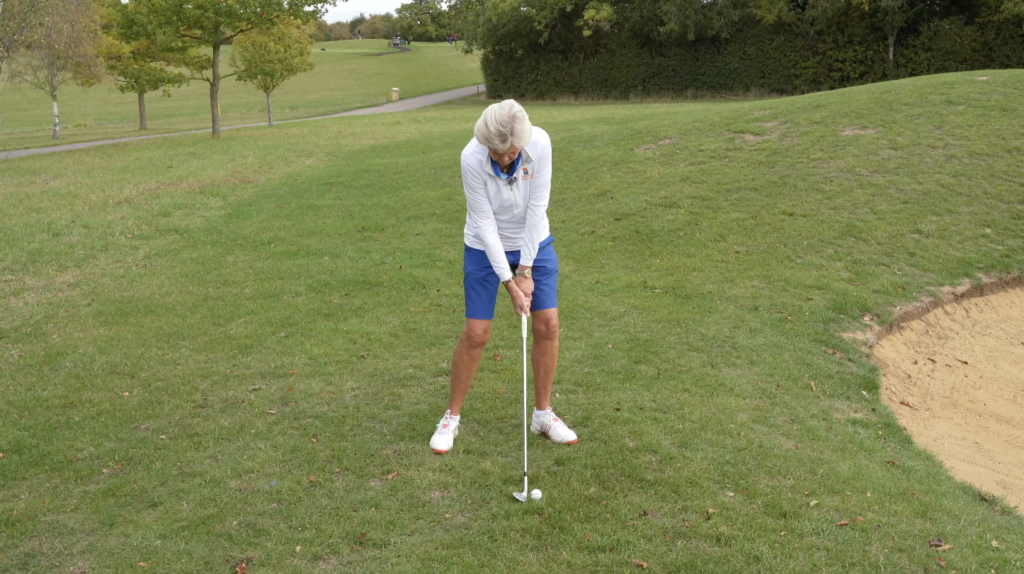
Ball position: Slightly forward of centre.
Stance: Narrow — it promotes control and a compact motion.
Hands: Slightly lower than normal, almost like a bunker shot.
Weight: Just forward, to encourage crisp contact.
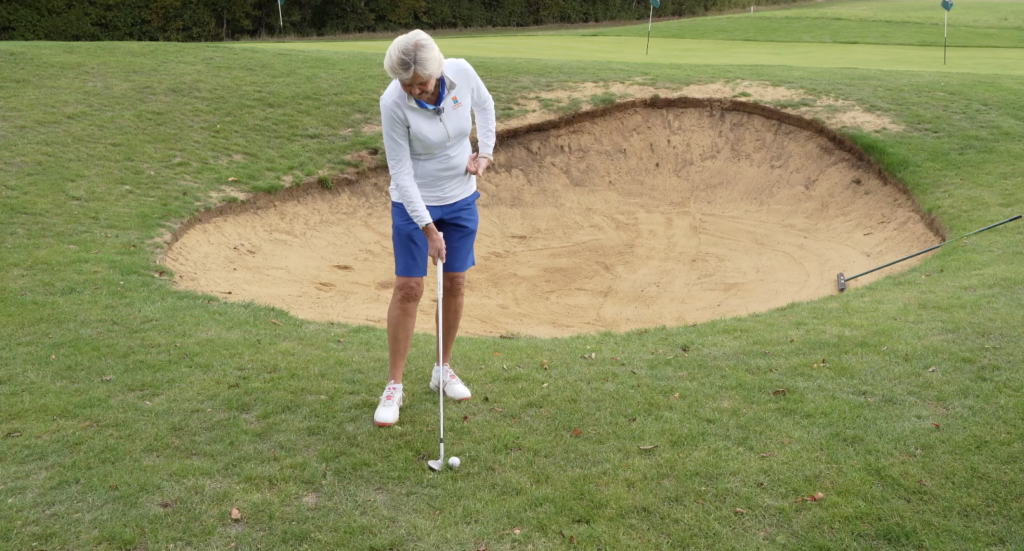
Gap between blade and ball: Leave a small gap, roughly half an inch. This stops you staring at the top of the ball and instead focuses you on where the club should enter the turf or sand.
That little gap is a game-changer for most golfers.
The Practice-Swing Ritual That Builds Commitment
Before every short wedge shot, I take one long practice swing that matches the length I intend to use for the real shot. During that swing, I deliberately do three things:
Let the club brush the ground so I feel the strike and how the shaft reacts.
Note the distance the practice swing produces and relate it to the shot I need.
Mentally time the shot so I imagine hearing the ball land on the green.
Most players rush this moment. They rise up or peek too early, and that split-second impatience causes thin, fat, or topped shots. Hold your finish and trust the strike.
My Step-by-Step Pre-Shot Routine
Use this every time:
Visualise the landing spot and the trajectory you want.
Take one long practice swing that matches the distance, letting the club enter the ground as intended.
Set up with a forward ball position, narrow stance, low hands, and a small gap between blade and ball.
Commit, swing and stay down through impact.
Hold your finish and listen for the ball to land. If you don’t hear it, you probably lifted too soon.
Advanced Option: Opening the Face for Higher, Softer Shots
Once the square-face routine feels automatic, you can add height and spin by opening the clubface. I coach two non-negotiables here:
Open the face before you take your grip. Opening it after gripping almost always misaligns the club.
Check the butt alignment. With the face open and your grip set, the butt of the club should point toward your stomach. If it doesn’t, you’ll push or misdirect the shot.
From there, it’s the same routine: practice swing, gap awareness, weight forward, commit, and hold the finish. The open face gives you more height and bite — but only if your setup and timing stay consistent.
Common Mistakes and Quick Fixes
Too close to the ball: You end up looking at the top of it.
Fix: Create that half-inch gap between blade and ball.Rising up too soon: Leads to fat or topped shots.
Fix: Hold your finish and listen for the landing.Opening the face after gripping: Causes poor alignment.
Fix: Open the face first, then grip it so the butt points at your stomach.Practice swing too short: You don’t rehearse the right length or tempo.
Fix: One long, committed practice swing every time.
Simple Practice Drill I Recommend
On the practice area, mark a landing spot on the green or with a towel. For 20 shots:
-
Go through your full routine: one long practice swing, gap set, weight forward.
-
Play the shot and hold your finish until you hear the ball land.
-
Track how many balls land on or near the target.
This drill builds discipline and more importantly, the patience to stay down long enough for proper turf or sand interaction.
Final Note from the Coach
Short-game wedge success is about commitment. Commit to your setup. Commit to your practice swing. Commit to staying down until you hear the ball land. Start with the square-face routine until it’s second nature, then experiment with opening the face for more height. Trust the process! The results will follow.
For more golf tips click here – Or to learn more about Denise Hasting, Master PGA Coach click here
About Your Coach
Denise Hastings is an honorary member of the PGA and a master coach. She was a founder member of the Ladies European Tour, offering an incredible wealth of experience to her students.