
How to Choose the Right Golf Clubs (Complete Guide)
Choosing golf clubs can feel like stepping into a foreign language with so much terminology that hardly makes sense, club types including LS, MAX, muscle back, cavity back, bounce, grind, blades, mallets… and that’s before anyone mentions shafts, swing speed, or custom fitting. The good news is that buying the “right” clubs isn’t about chasing whatever the tour professionals use, it’s about matching your clubs to your skill level, strike pattern, typical ball flight, and budget.
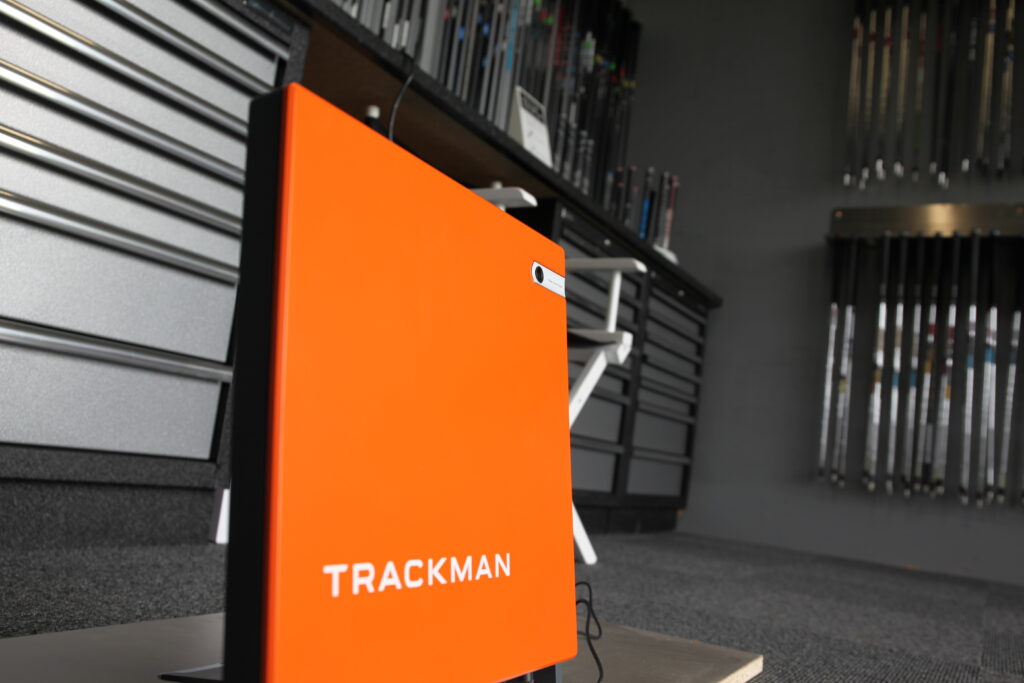
This guide will walk you through every major club type from drivers, fairway woods, hybrids, irons, wedges, and putters, and explain what the key terms actually mean. You’ll also learn when a package set makes sense, how much you should spend, and why a custom fitting using TrackMan or GCQuad can be a game-changer (especially once your contact is reasonably consistent).
Quick Summary: The Smart Way to Choose Clubs
If you want the simplest “do this first” approach:
Beginners / high handicaps: prioritise forgiveness, launch, and consistency over workability.
Mid handicaps: balance forgiveness with control; explore more head/shaft options.
Low handicaps: choose based on yardage gapping, ball flight control, and feel.
Always: pick clubs that help your miss (slice, low launch, thin strikes) not your best swing.
Table of Contents
1) Start With Your Golfer Profile (This Drives Every Decision)
Before you look at brands or models, identify your “golfer profile.” The right clubs are the ones that make your bad swings better, not the ones that make your best swings go 5 yards farther. If its technique you need check out our free tips with the driver!
Your 4 key inputs
Skill level: beginner / improving / regular golfer / competitive
Typical miss: slice, hook, thin, fat, toe, heel
Ball flight: too low, too high, curve too much, inconsistent start line
Speed & strength: affects shaft, loft, and gapping
What a beginner should look for
Beginners should prioritise:
High launch (ball gets airborne easily)
Straight bias (reduces side spin and curvature)
Consistent contact (bigger sweet spot)
Distance that repeats (not one miracle drive and nine disasters)
Beginner “good signs”:
Your typical shots start closer to your target line
Your misses are shorter but still in play
Your distances become more predictable
2) Driver Basics: Loft, Head Type, and What LS vs MAX Means
The driver is the most misunderstood club in the bag because marketing focuses on distance. Most golfers don’t need more distance, they need more playable tee shots.
Key driver terms you must understand
Loft (9°, 10.5°, 12° etc.)
Loft helps you launch the ball. If your driver shots are low, spinny, or falling out of the sky, you may need more loft, not less.
Lower loft (8–10°): often better for faster swingers who generate height naturally
Mid loft (10–11°): suits many golfers
Higher loft (12°+): helps slower speeds launch higher and carry farther
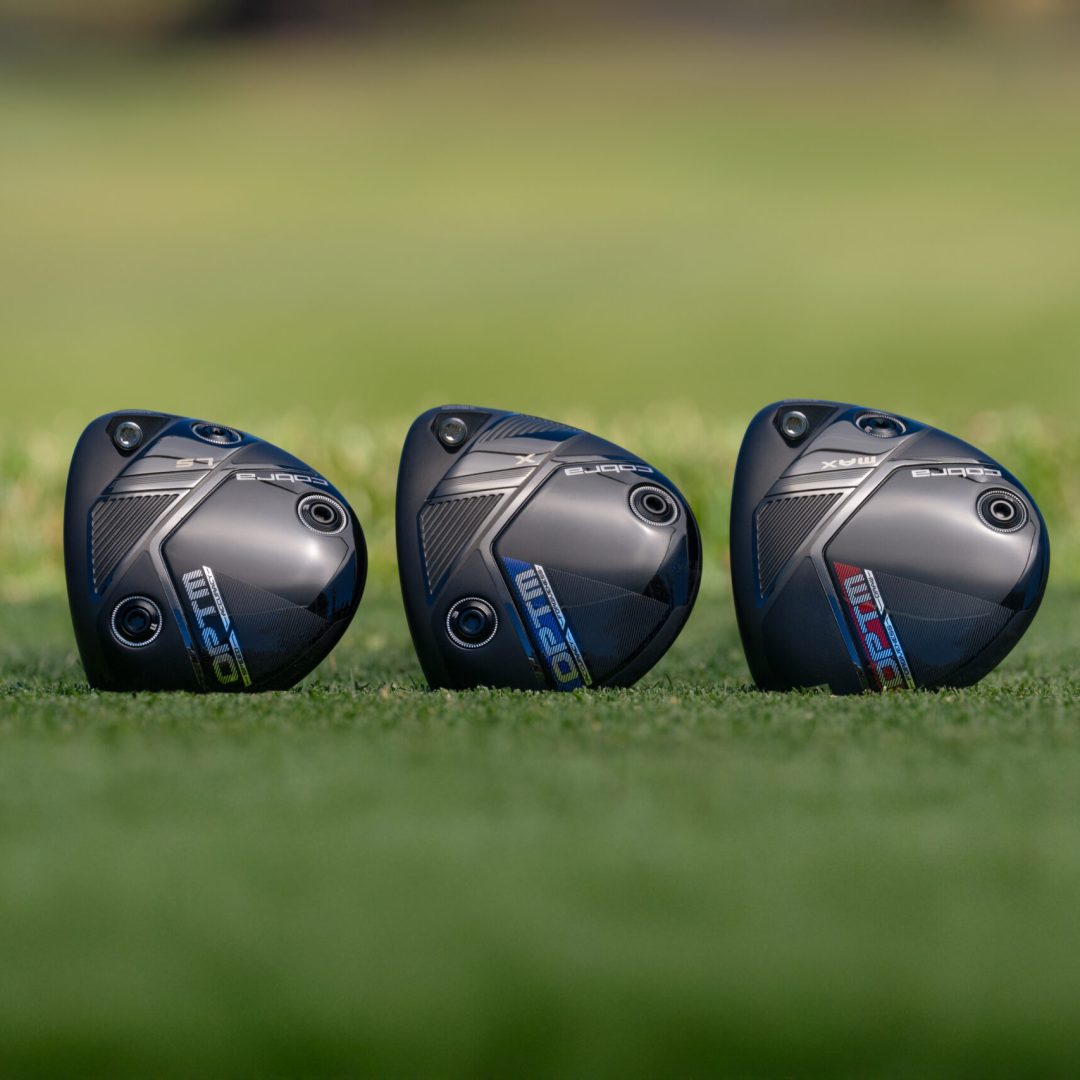
Important: Many modern drivers are adjustable, so you can tweak loft and face angle slightly. In today’s market, where brands are fighting to win golfers over, having more options makes sense. That’s why most brands typically have 2-3 and sometimes more when it comes to model options. From LS to Max, Core to Max Lite and many more names. Regardless of the name, the jobs tend to be the same, more forgiveness, more adjustability, more or less spin! Here are some examples.
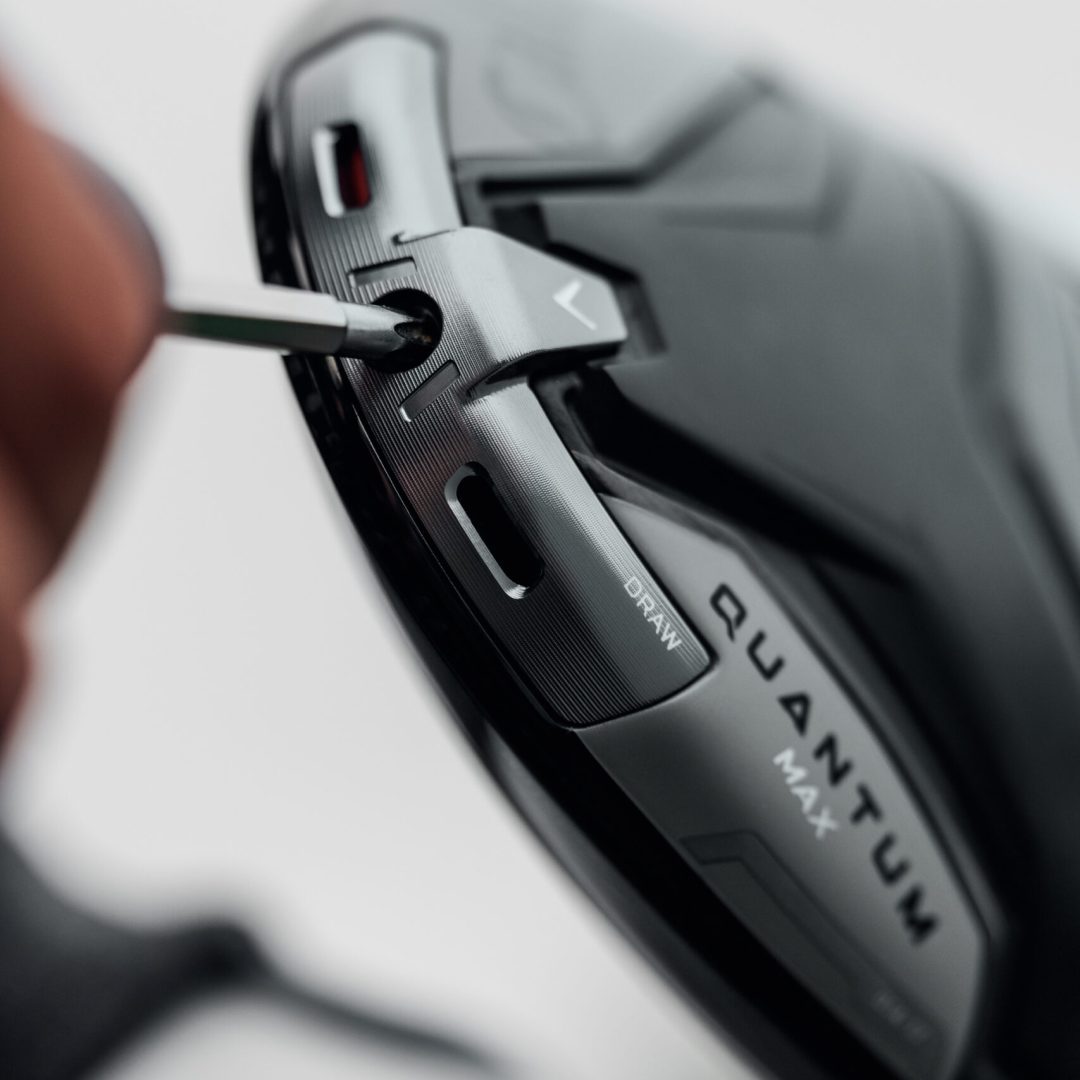
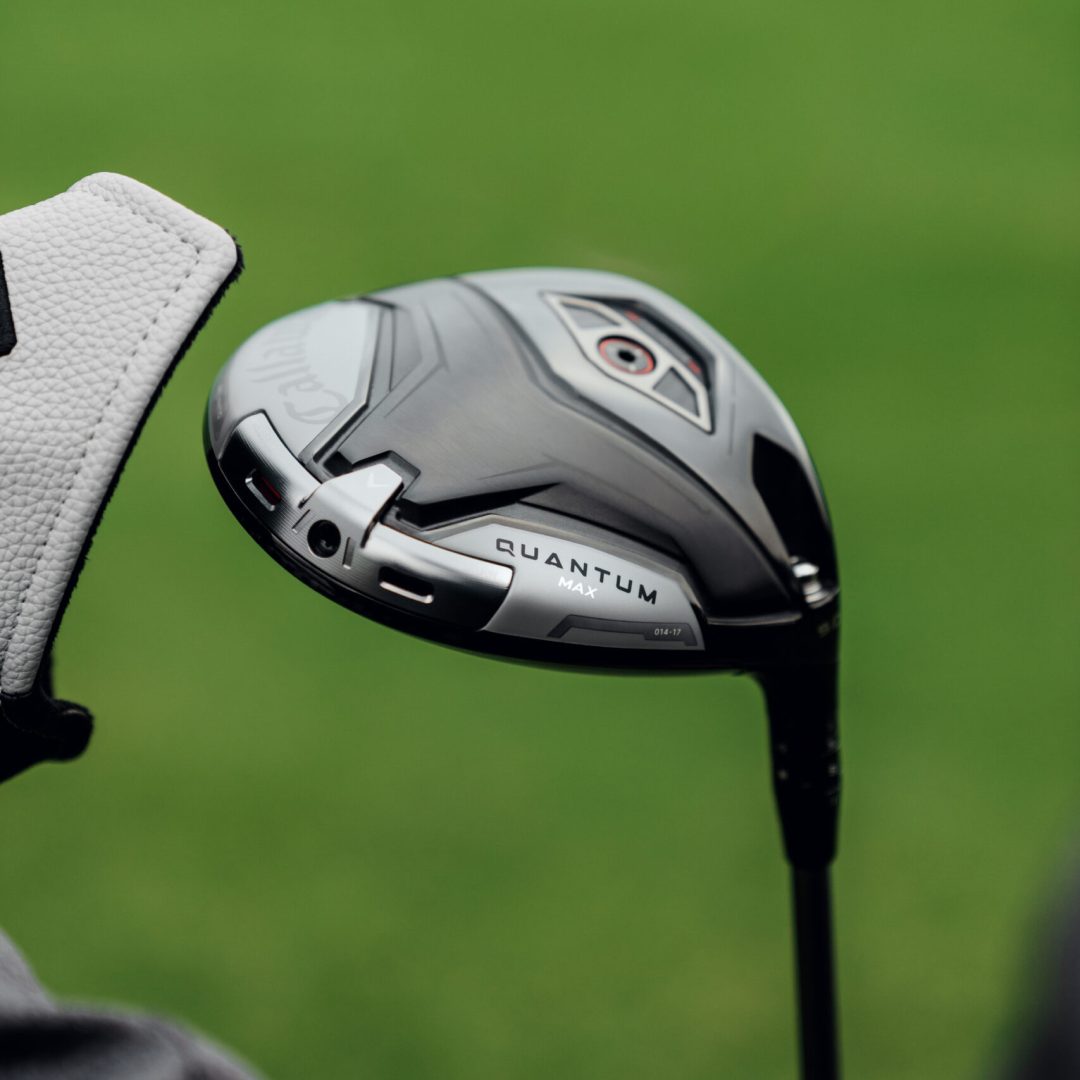
Driver “MAX” (forgiveness)
MAX models are typically designed to be:
more stable on off-centre hits (higher MOI)
easier to keep straighter
higher launch and more consistent carry
If your strike pattern is spread across the face, MAX-style heads are usually your friend.
Driver “LS” (low spin)
LS typically means low spin. These models often:
spin less (helpful for high-speed players who balloon shots)
can be less forgiving
may launch lower with less spin stability on mishits
If you’re a golfer who loses shots because the ball curves wildly or falls out of the air, LS can be the wrong choice unless a fitter confirms it.
“Standard” models
These sit between LS and MAX:
balanced forgiveness and spin
- Usually more adjustability in weight settings to manipulate flight you want to see.
often the best “one driver does it all” category for mid handicappers
So which driver should you choose?
Use this as a starting point:
Choose MAX if:
you miss the centre often
you want straighter drives
you play more for consistency than shaping
Choose Standard if:
your strike is improving
you want a mix of distance + forgiveness
Choose LS if:
you have higher speed
you spin it too much (ballooning)
you already strike it fairly consistently
you’ve tested it and numbers confirm it
Example brands (as reference)
Most major brands follow this structure:
TaylorMade (e.g., MAX / LS families)
Callaway (MAX / Triple Diamond style low-spin)
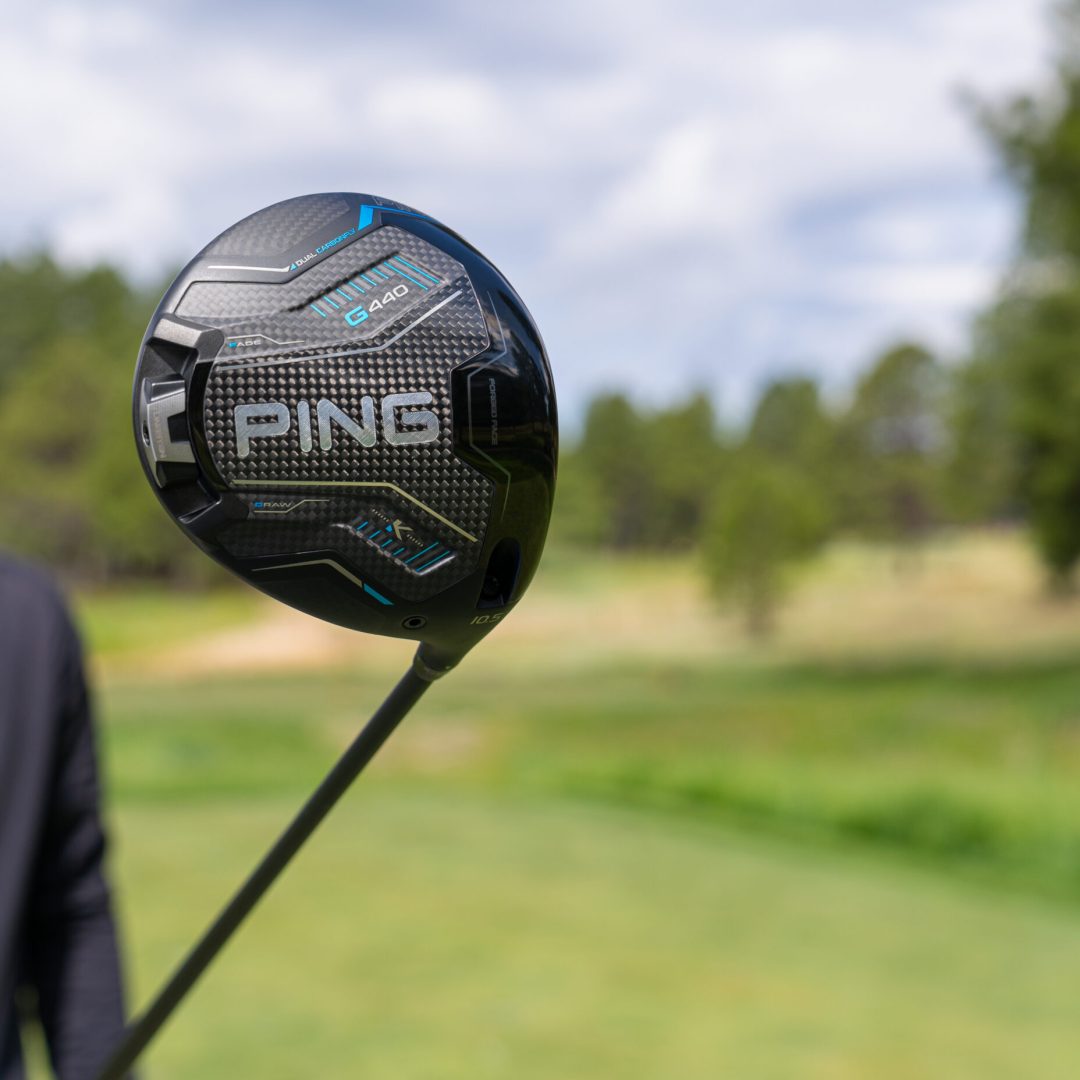
PING (MAX / LST)
Titleist (GT 1,2,3,4 (1 is most forgiving vs 4 which is the lowest spin)
Cobra (MAX / LS-type options)
Don’t get locked into brand names, focus on the type. Want more info on the products? Why not check out our reviews here!
3) Fairway Woods and Hybrids: The Best “Scoring Clubs” for Many Golfers
A lot of golfers buy drivers and irons first, but fairway woods and hybrids often make a bigger impact on scoring because they help you:
advance the ball safely
hit more greens (or get near them)
escape trouble without heroic swings
Fairway woods (3-wood, 5-wood, 7-wood)
Fairway woods are great for:
tee shots when driver is risky
long approach shots
replacing hard-to-hit long irons
Beginner tip: a 5-wood or 7-wood is often easier than a 3-wood. Think of loft as your friend!
Hybrids
Hybrids are “iron replacements” designed to launch higher and be easier from rough.
A 4 hybrid often replaces a 4 iron
A 5 hybrid can replace a 5 iron
If you struggle with long irons, hybrids are usually a fast win.
New trend: high-loft fairway woods
Many golfers now play:
7-woods, 9-woods
Because they launch high and land softer, especially helpful on longer approaches. Need more help? Get a tip on how to crush the fairway woods!

4) Irons Explained: Blades vs Cavity Backs vs Game Improvement
Irons are where most golfers get overwhelmed, because the terms can sound technical and intimidating.
Here’s the simplest way to understand iron categories:
Iron categories (from most forgiving to least)
Super game improvement (SGI)
Game improvement (GI)
Players distance
Players cavity back
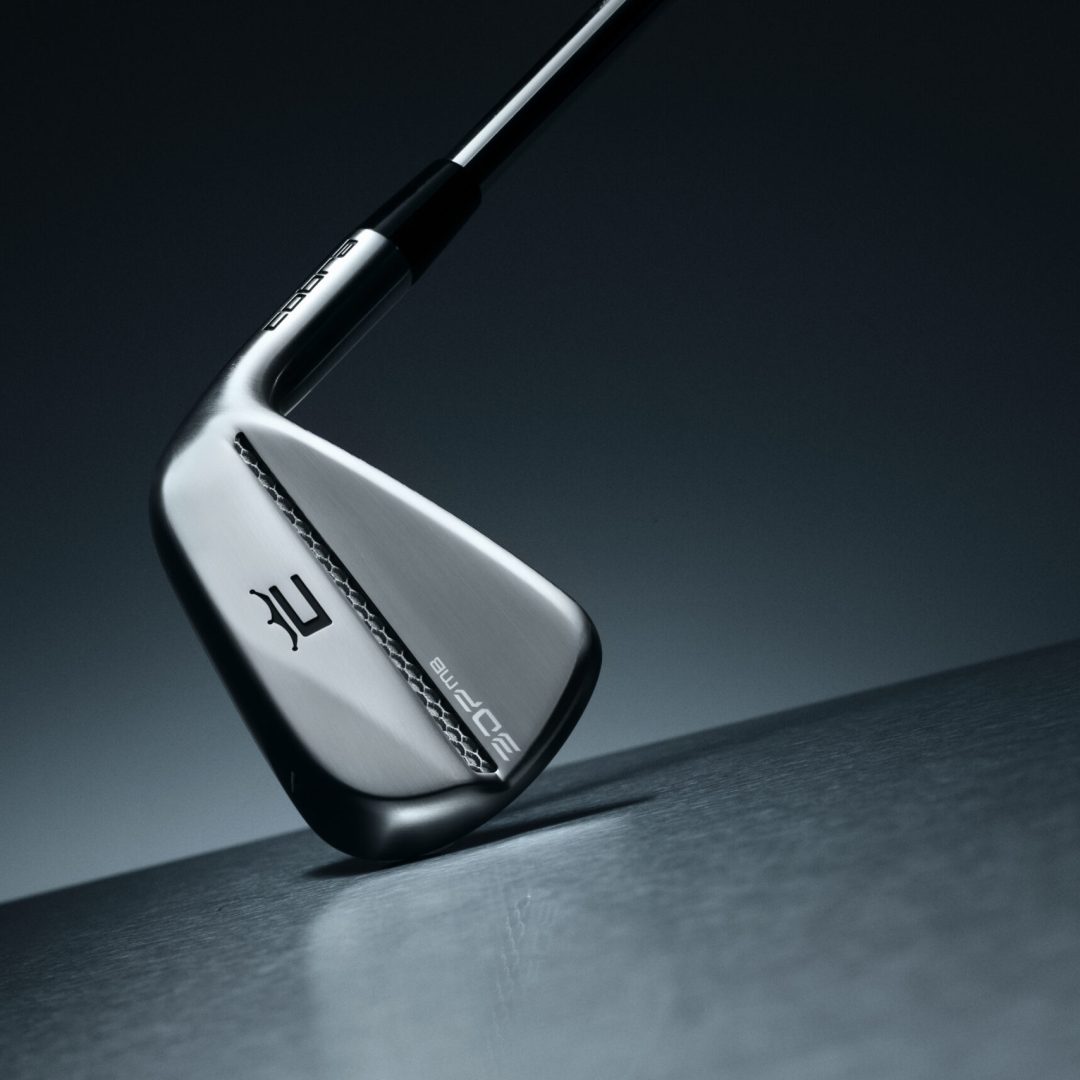
Muscleback / blade (MB)
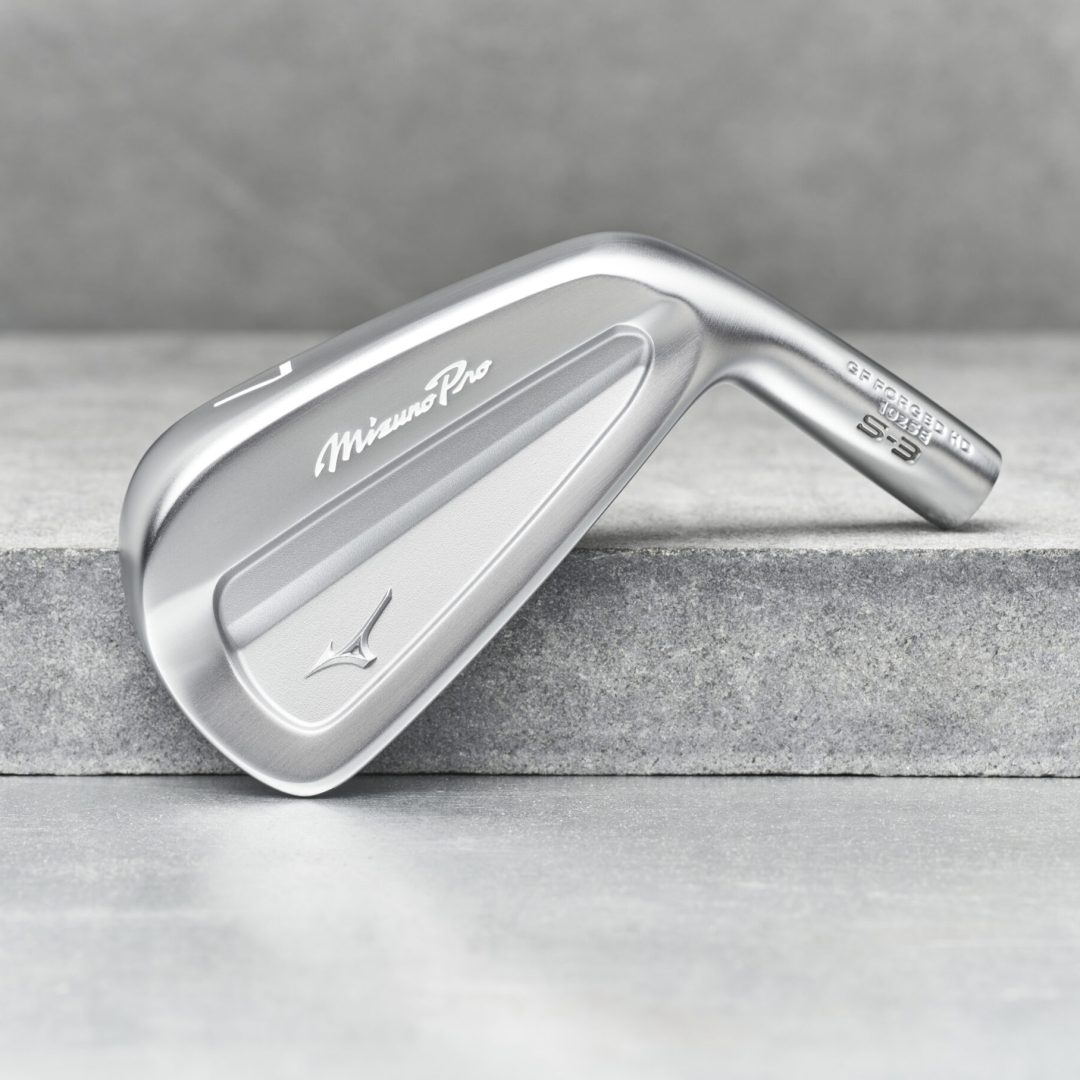
What do blades (MB) mean?
Blade irons (often labelled MB for muscleback) are:
smaller heads
less forgiveness
higher feedback (you feel mishits strongly)
designed for control and shot shaping
They’re beautiful, but they punish inconsistent strike.
What are cavity backs?
Cavity backs remove weight from the middle/back and reposition it around the edges, creating:
more stability
more forgiveness
better results on mishits
Most golfers benefit from cavity backs.
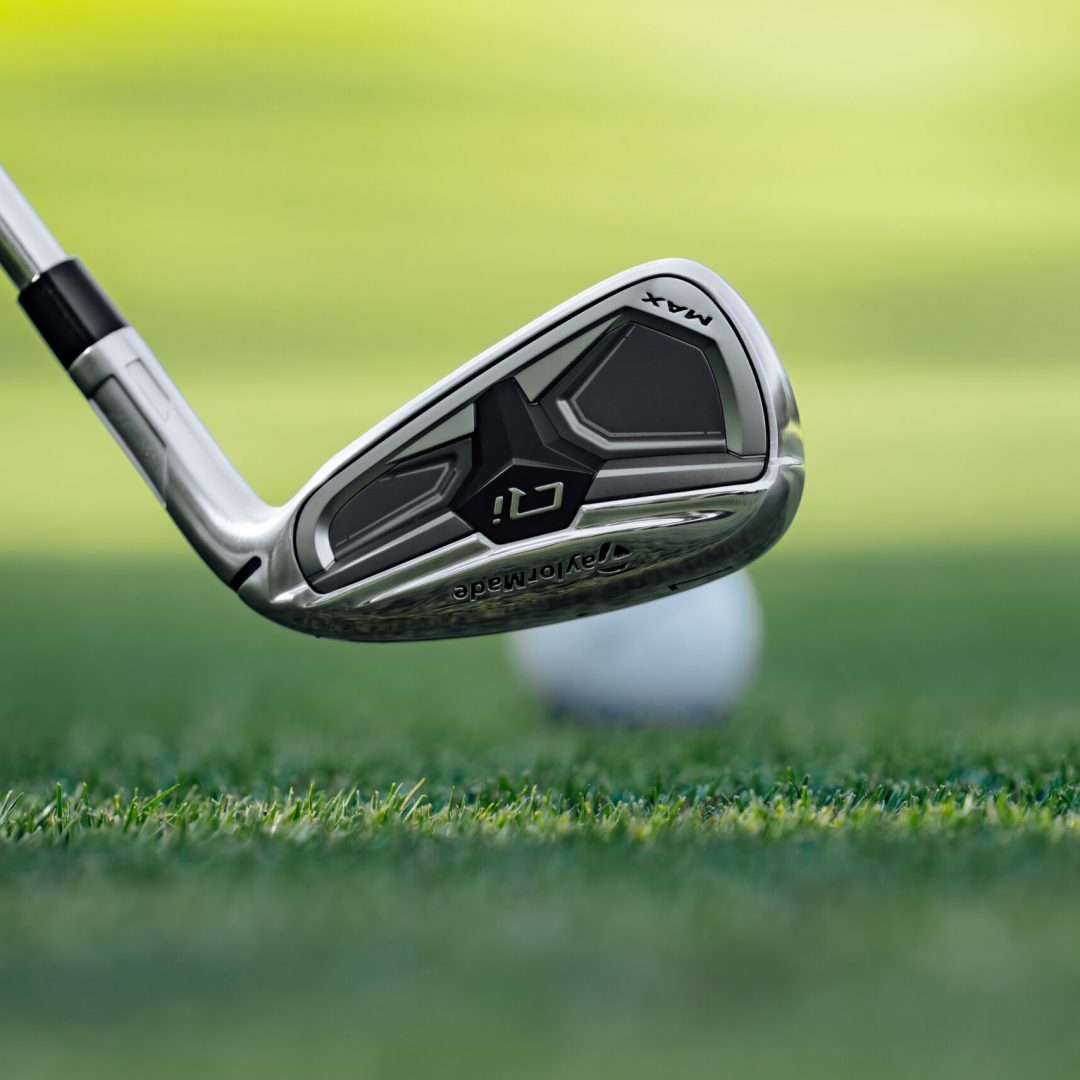
Game improvement irons (GI)
GI irons typically feature:
perimeter weighting
wider soles
lower centre of gravity
stronger lofts (often more distance)
higher launch assistance
They’re designed to help you hit more consistent shots and get the ball airborne.
“Players distance” irons
This category has exploded because it blends:
sleeker look (more like a players iron)
modern tech (hollow body, face flex)
distance and forgiveness
Great for improving golfers who want performance but don’t want a shovel-like shape.
So which iron type is right?
Learn about the individual models in our reviews! Choose SGI / GI if:
you’re new
you struggle with contact
you need launch help
you want maximum forgiveness
Choose Players Distance if:
you’re improving
you make decent contact
you want distance + a cleaner look
Choose Cavity Back / Players iron if:
you strike consistently
you want tighter dispersion and flight control
Choose MB / Blades if:
you are highly consistent
you want ultimate feedback and control
your strike pattern is already tight
A crucial point: lofts and “distance irons”
Modern GI irons often have stronger lofts (e.g., a 7 iron might be closer to an older 6 iron). That’s not automatically “bad”, it’s just the design. But it creates a new requirement:
You must check your gapping and ensure you still have clubs that stop on greens.
5) Wedges: Does Loft Actually Matter?
Yes, loft matters, but not in the way many golfers think.
Wedges help you:
hit specific carry distances
control trajectory
spin and stop the ball
escape sand and rough
Wedge loft basics
Typical wedge setup looks like:
Pitching wedge (PW): varies by iron set (can be 41–46°)
Gap wedge (GW): ~48–52°
Sand wedge (SW): ~54–56°
Lob wedge (LW): ~58–60°
But the correct setup depends on your pitching wedge loft and the distances you hit.
The most common wedge mistake
Golfers buy a 56º and a 60º without checking whether their pitching wedge is 44–48°. That can leave huge yardage gaps.
Smart wedge rule:
Try to keep wedge loft gaps around 4–6 degrees, then confirm with real carry distances.
Loft isn’t the whole story: bounce matters
Bounce is how much the sole helps prevent digging. It changes how the wedge interacts with turf and sand.
More bounce: great if you dig, play soft turf, or fluffy sand
Less bounce: better for firm conditions, tight lies, shallow swings
If you’re a beginner:
a wedge with moderate bounce is usually more forgiving than low bounce.
Do you need a lob wedge (60°)?
Not always. Many golfers score better with:
54/58
or even 52/56
Because a 60° can punish poor contact and increase short-game inconsistency.
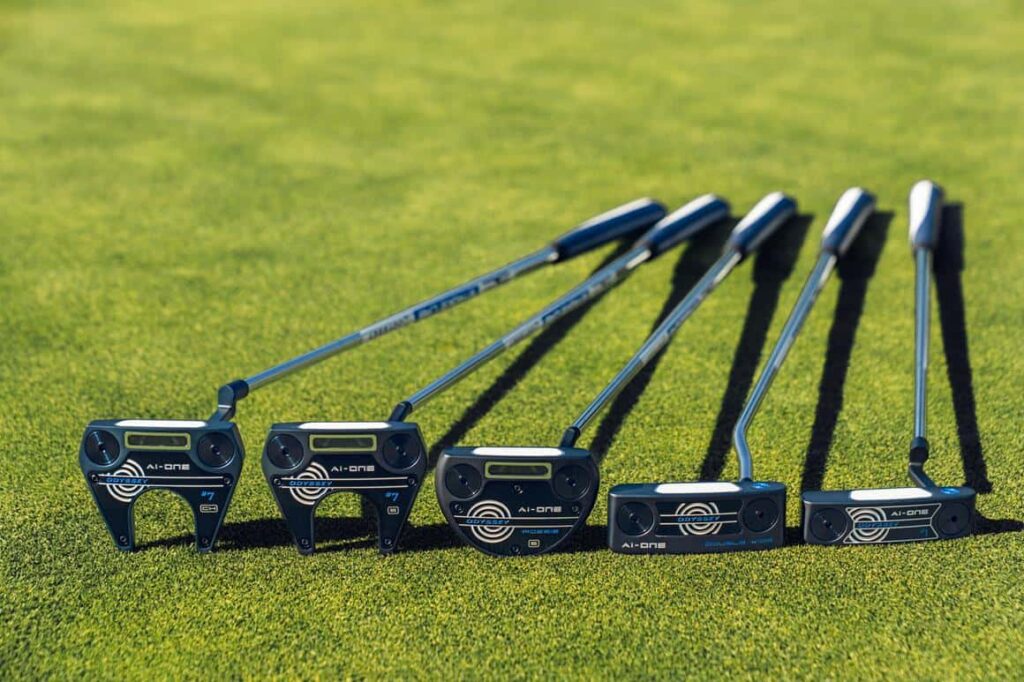
6) Putters: Blade vs Mallet and What Matters Most
Putting is personal, but there are still smart principles. Before we get into putting, it’s important to remember, this is the most used club in the bag! Its often seen that golfers will splash out on expensive clubs and hold back on a cheap putter because it’s perceived value is less. It’s not!
Blade putters
Blade putters are:
smaller
traditional look
often preferred by golfers with strong feel
typically suit players with a more arcing stroke (not always, but common)
Mallet putters
Mallets are:
larger heads
more stable (higher MOI)
often easier to align
typically more forgiving on off-centre hits
If you struggle with start line and stability, mallets can be a big improvement.
Does the putter shaft matter?
Usually less than in full swing clubs, but it can still matter. Modern putters now feature:
different shaft designs to reduce twisting
different balance styles
different hosels to influence toe hang
But before you go deep:
pick the right head style (blade vs mallet)
pick alignment that suits your eyes
choose correct length and lie
Those three impact performance most. Need further instruction? Click here
7) Does the Shaft Make a Difference?
Yes, but it’s not about “stiff is better.” It’s about matching the shaft to:
your swing speed
tempo
release pattern
launch and spin needs
strike consistency
- feel
Shaft flex basics
Senior / A-flex: slower speeds or smooth tempos
Regular: many golfers fit here
Stiff: faster speeds or aggressive tempos
X-stiff: very fast speeds
A common mistake is choosing too stiff because it “sounds better.” If you can’t load the shaft properly, it can:
lower launch
reduce carry
increase misses (especially right for many golfers)
Shaft weight matters too
Weight can influence:
control
tempo
strike quality
Many golfers improve simply by finding a weight they can swing repeatedly with good contact.
Beginner-friendly approach: don’t overcomplicate shafts at first. Aim for a shaft that helps you:
launch the ball
hit centre contact more often
keep misses manageable
Then refine later through fitting.
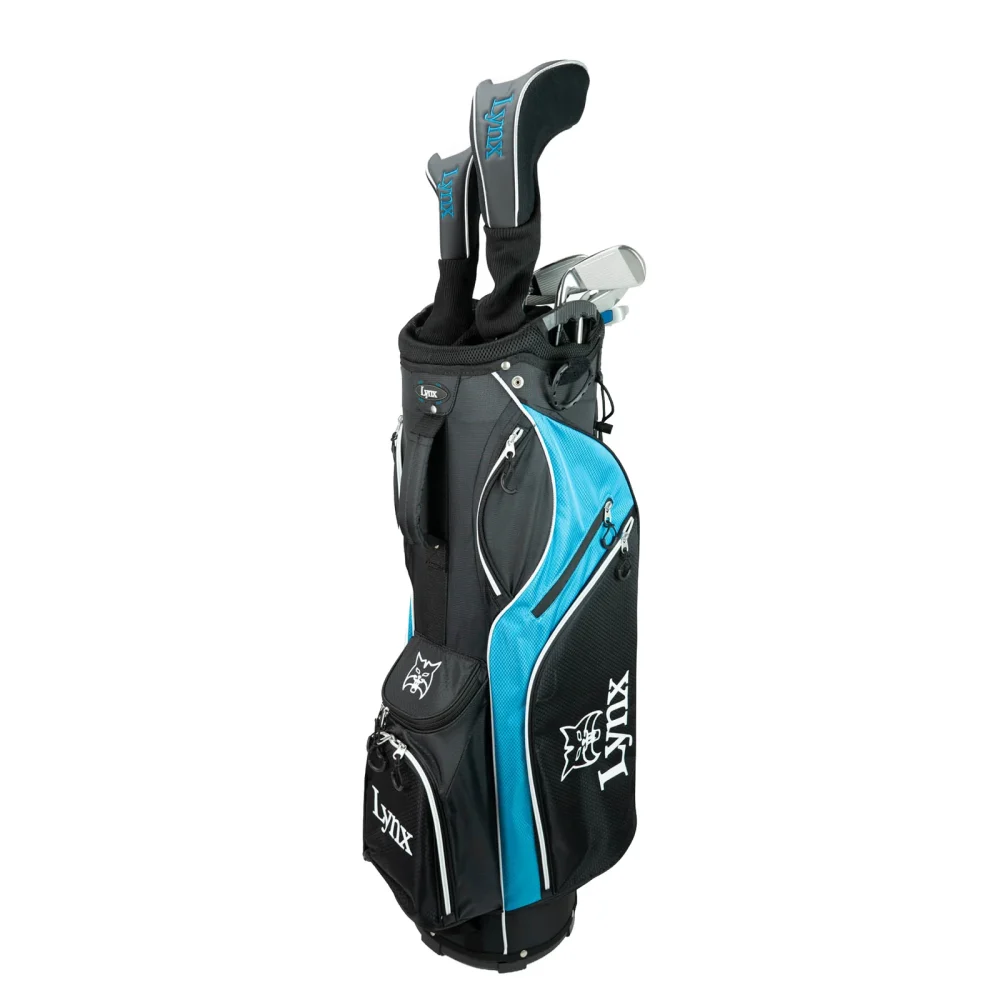
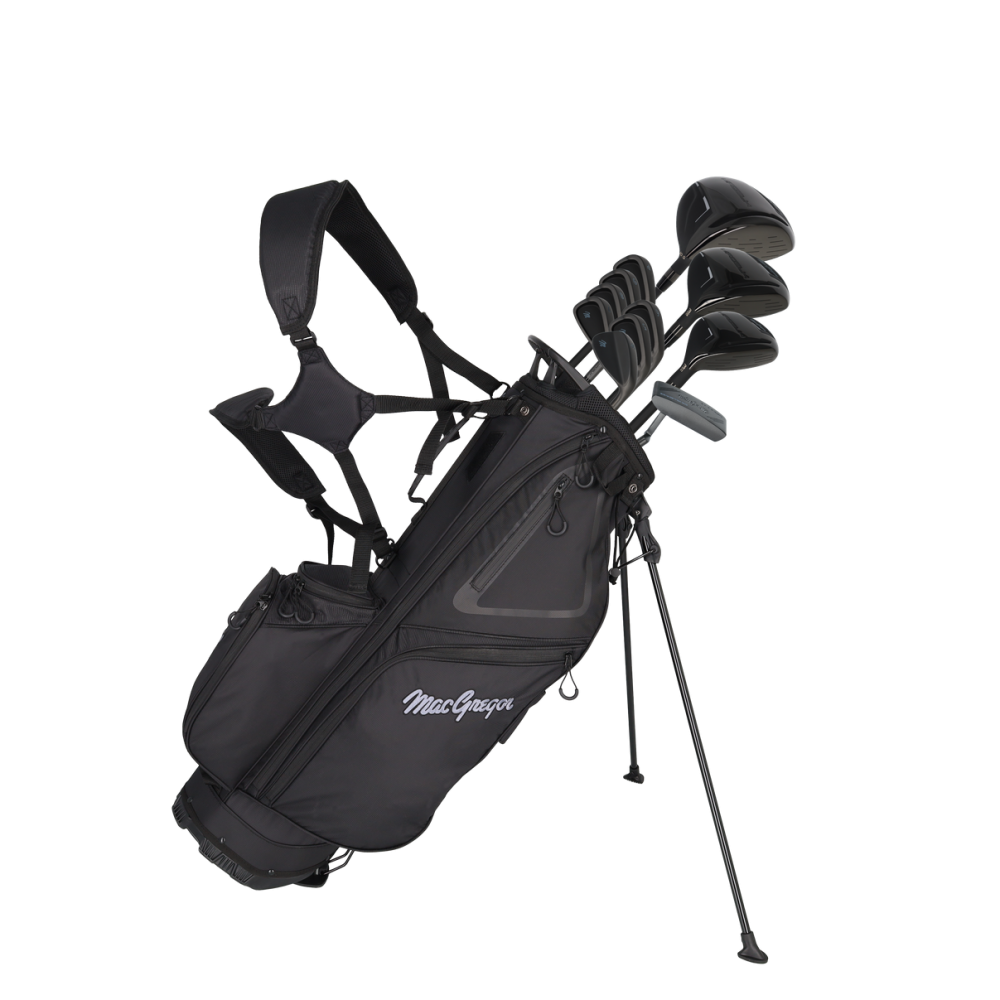
8) Should You Start With a Package Set?
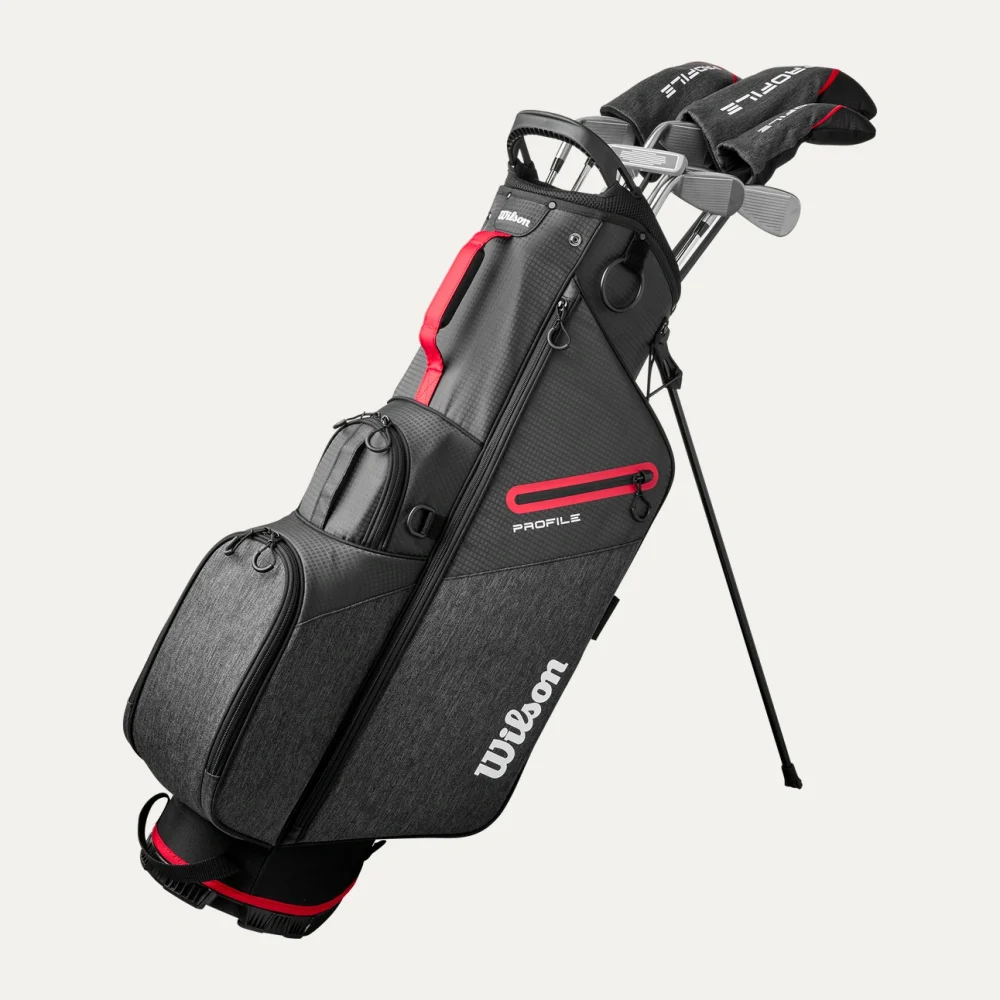
For many beginners, yes, a package set can be the smartest choice. Be sure to read our article on what’s in a beginners bag!
When a package set makes sense
you’re brand new
you don’t yet know your preferences
you want a complete bag without spending a fortune
you plan to upgrade gradually
A typical package set might include:
driver
fairway or hybrid
irons
wedge(s)
putter
bag
Pros of package sets
cost-effective
easy to get started
designed for forgiveness
simple gapping (usually)
Cons of package sets
components may not be “premium”
you may outgrow them faster if you improve quickly
limited shaft/head customisation
A smart “upgrade path”
If you start with a package set:
upgrade driver when you crave more consistency
upgrade wedges for better scoring
upgrade putter if your putting struggles
upgrade irons once your strike is improving
9) Budget: What Should You Spend?
Your budget should align with your stage of golf.
Beginner budgets (general guidance)
Package sets: great starting value
Used clubs: often the best performance-per-pound option
New premium: optional, not required early
A smarter way to spend
Instead of buying the most expensive clubs:
buy forgiving clubs that match your current needs
spend on lessons to improve contact and ball flight
consider a fitting once your strike is stable enough
Your golf swing will change more in 6 months of learning than any new driver can.
10) Custom Fitting: Why It’s a Great Process (and When to Do It)
A proper fitting is one of the best investments in golf, when timed correctly.
Why fitting works
A fitter uses launch monitors such as:
TrackMan
GCQuad
to measure:ball speed
launch angle
spin rate
carry distance
dispersion (left/right)
club delivery
This removes guesswork.
What fitting gives you (that buying online doesn’t)
head comparisons (MAX vs LS vs standard)
shaft comparisons (weight/flex profiles)
lie angle and length adjustments
grip sizing
gapping checks through the bag
The key: lessons first (for many golfers)
Fitting is most valuable when your strike is somewhat consistent.
That’s why lessons are often recommended first:
if your contact is wildly inconsistent, fitting data becomes noise
once you can strike it reasonably, fitting becomes powerful
The best timing for beginners
A great pathway:
get a basic forgiving set
take lessons until you can strike the ball more consistently
then get fitted to match your real swing
11) Putting It All Together: A Simple “Choose Your Bag” Blueprint
Here’s a sensible, modern blueprint for most golfers:
If you’re a beginner / high handicap
Driver: MAX / forgiving model, higher loft if needed
Fairway: 5W or 7W (optional 3W later)
Hybrid: 4H or 5H
Irons: GI or SGI
Wedges: PW + SW, add GW later if needed
Putter: mallet if you need stability; blade if you prefer feel
Ball: choose a ball that’s affordable and consistent (don’t chase tour balls early) You can have great success from cheaper balls, such as a Srixon Distance or Callaway Warbird etc. However try and stick to the same ball to encourage consistency.
If you’re improving / mid handicap
Driver: standard or forgiving model based on miss
Woods/hybrids: choose what gives best launch and gapping
Irons: GI or players distance
Wedges: build proper gapping (4–6° steps)
Putter: fit to stroke and alignment preference
Consider: fitting for driver or irons once strike is stable
If you’re low handicap
fine-tune flight windows
focus on wedge gapping and spin control
consider blended iron sets (forgiveness in long irons, control in short irons)
12) Final Advice: Choose Clubs That Help Your Miss
If you remember one thing from this guide:
Your “right clubs” are the ones that make your bad swings better.
Don’t build a bag based on what looks cool or what a tour pro uses. Build it around:
your strike pattern
your ball flight
your needs right now
a clear upgrade path
And when you’re ready, a proper fitting using TrackMan or GCQuad can turn confusion into clarity in one session.
Now you’ve got the clubs sorted, why not brush up on the rules!