


Inside the TaylorMade Qi4D Driver: Speed, Fit and the New Reax Shaft System
When Chris from Outtabounds sat down with Lee from TaylorMade, the focus was clear. The TaylorMade Qi4D driver might look familiar at first glance, but beneath the surface it represents a significant step forward in how TaylorMade approaches speed, consistency and fitting. Rather than chasing a radical redesign, the Qi4D is about refinement and smarter optimisation, aimed at helping golfers get more out of their driver through better fit.
Lee explained that the core promises behind Qi4D are simple but ambitious: make the driver faster and make it easier to dial in for individual players. Those gains come from a combination of subtle aerodynamic changes, new weighting strategies, refinements to the face design and the introduction of an entirely new shaft family built around how golfers actually release the club.
What has changed at a glance
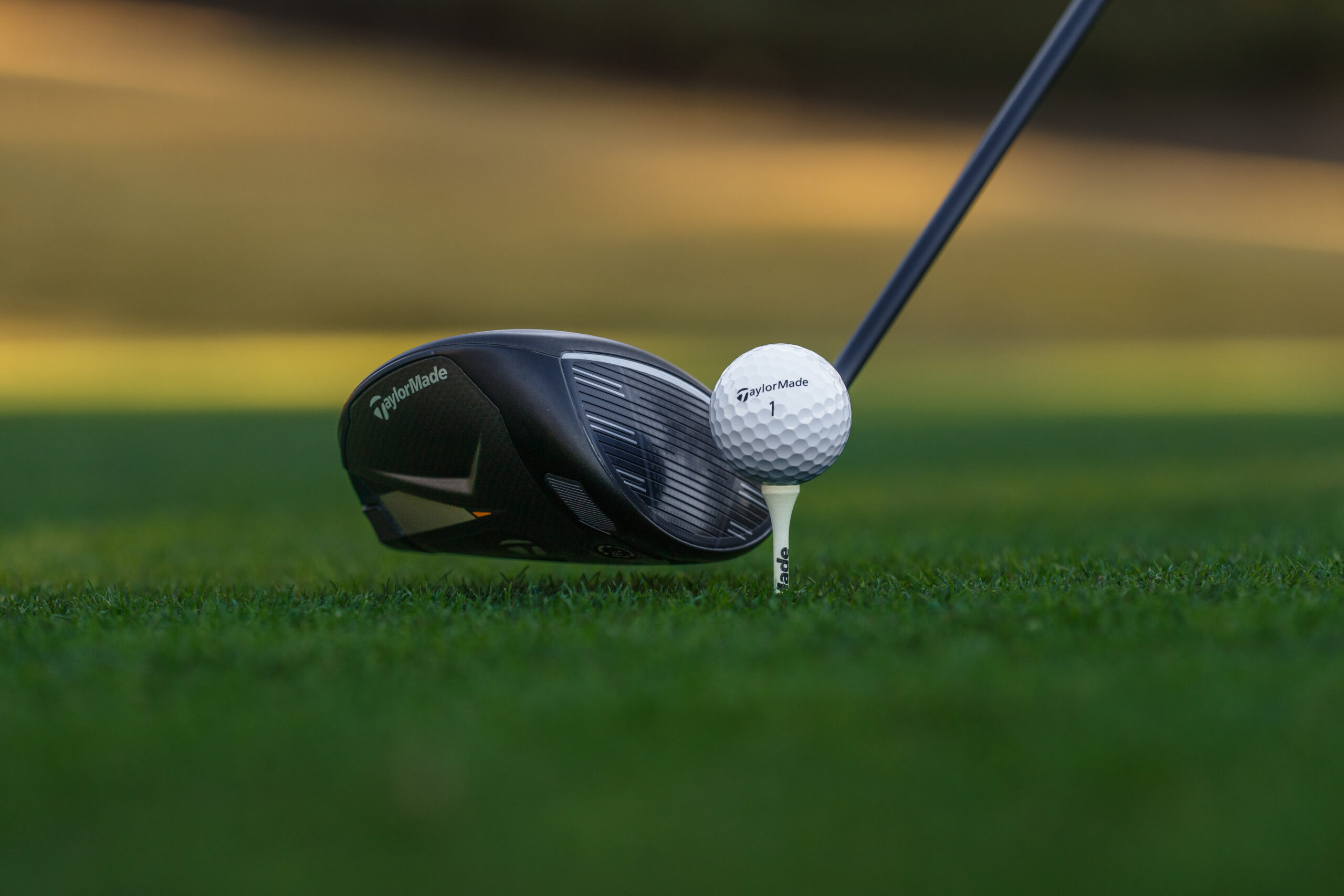
One of the first things Chris noticed when handling the Qi4D range was the updated head shaping. TaylorMade has moved back towards a more traditional, less oversized profile, particularly in the Core model. This not only improves the look at address for many golfers but also helps reduce drag through the swing.
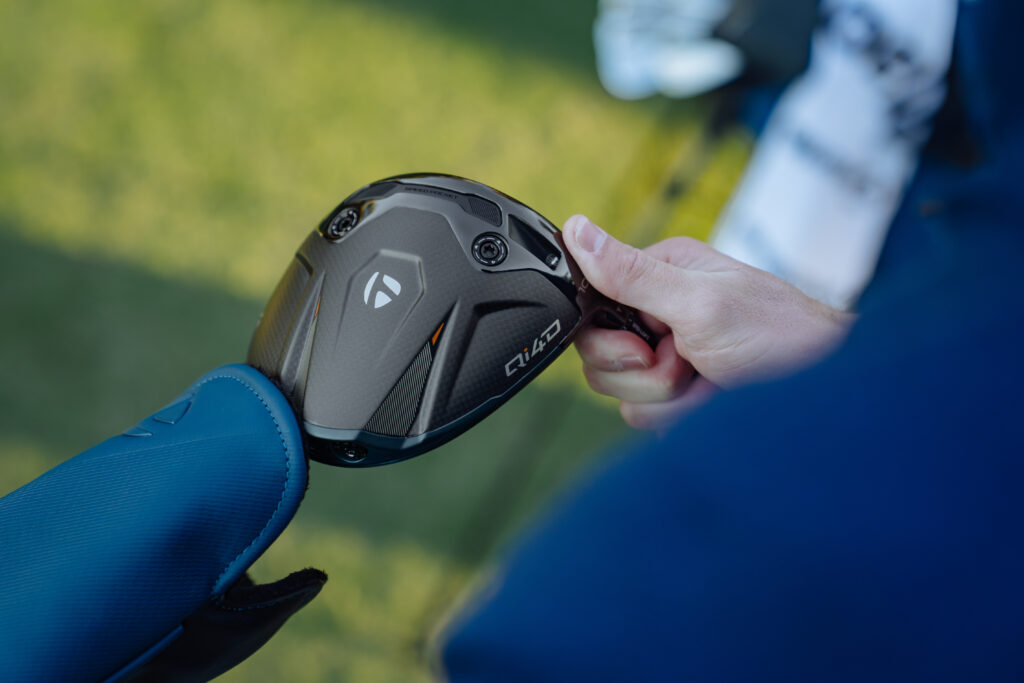
The Core head introduces a new quad weighting system, with two weights positioned towards the front and two at the back. This opens up a wider range of centre of gravity adjustments than previous models. Meanwhile the carbon face technology remains, but with an important tweak to the face roll that plays a big role in consistency.
Alongside the head updates, TaylorMade has launched the Reax shaft system, developed in partnership with Mitsubishi Chemical. This new approach to shafts is informed by data from over 11 million fitting shots and is designed around release patterns rather than just traditional flex categories.
The Qi4D family is made up of four main heads Core, LS, Max and Max Light, with an additional optional face design that includes fiducial markers for launch monitor tracking during fittings.
Head shape, aerodynamics and confidence at address
Lee highlighted that the changes to head shape are as much about confidence as they are about speed. The more compact, pear shaped look of the Core head will appeal to a broad range of players who prefer a traditional appearance behind the ball. From a performance standpoint, the refined shaping helps the club move more efficiently through the air, contributing to increased club head speed without requiring extra effort from the golfer.
The LS model pushes aerodynamics even further, targeting players who prioritise speed and lower spin. Every detail of the shape is designed to reduce drag and maximise how fast the head can move through the hitting zone.
Face construction and tighter roll for consistency
The Qi4D retains TaylorMade’s 60 layer carbon face and Twist Face technology, both of which have become staples in recent generations. The key change is a reduction in face roll from a 10 millimetre radius to 8 millimetres.
In practical terms, this tighter roll helps control spin variation on strikes that are hit high or low on the face. Golfers should see more consistent ball speeds and spin rates, reducing the extreme results that can come from low face strikes that spin too much or high strikes that launch excessively with very low spin.
Quad weighting and adjustability
The new quad weight system in the Core head gives fitters more freedom to fine tune performance. By adjusting weight positions at the front and back of the head, launch, spin and shot shape can be influenced more precisely than before.
When combined with TaylorMade’s adjustable hosel sleeve, the Qi4D Core becomes one of the most adjustable drivers TaylorMade has produced. Lee was clear that this level of adjustability is designed to work hand in hand with professional fitting, rather than being something golfers need to experiment with blindly.
Reax shafts and fitting to release pattern
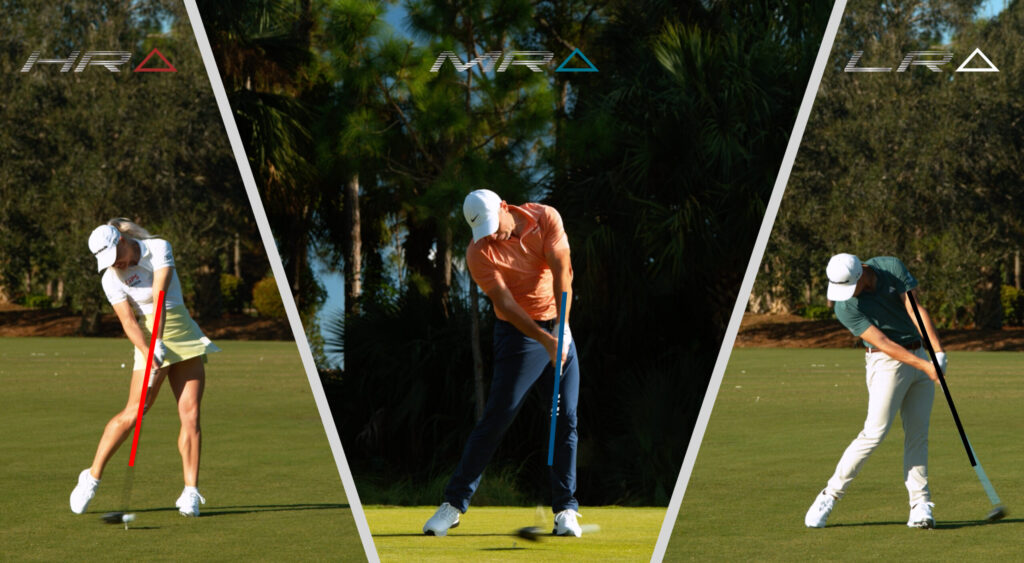
Perhaps the most significant shift in thinking with Qi4D is the Reax shaft system. Instead of starting with flex and weight alone, TaylorMade now categorises shafts based on how a player releases the club during the downswing.
Reax Red is designed for players with higher rotation release patterns, where the hands and club head square up earlier. Reax Blue targets mid rotation players and represents the most common release pattern, accounting for around 60 percent of golfers. Reax White is built for lower rotation players who release the club later in the downswing.
Fitters begin by identifying a player’s release pattern, then choose the appropriate Reax profile. From there, weight and tip stiffness are refined, and the head model and weight placement are used to fine tune launch, spin and dispersion. The goal is tighter ball speed consistency, more predictable spin and narrower shot dispersion.
Choosing the right Qi4D model
The Core model sits at the heart of the range, balancing speed, forgiveness and adjustability in a more traditional shape. It is likely to suit the widest range of golfers.
The LS is the low spin, high speed option, aimed at players who want to reduce spin and maximise club head speed. Its movable weight allows further control over spin characteristics.
The Max offers the highest level of forgiveness, with a larger and more elongated profile. New for this generation is added adjustability within the Max head, allowing better spin control without sacrificing stability.
The Max Lite takes the Max shape and reduces overall weight significantly. By pairing lighter heads with lighter shafts and grips, it is designed to help golfers generate more speed and higher launch, particularly those with slower swing speeds.
Additional details and fitting tools
Lee also pointed out the optional fiducial marker face, which features six markers across the face to help launch monitors capture data more quickly and accurately during fittings. This option is aimed squarely at fitting environments rather than everyday play.
Cosmetically, the Qi4D range keeps a clean and understated look, with subtle use of colour and a redesigned collar piece. The collar is now milled from a single piece of aluminium, improving fit and finish while saving a small amount of weight that can be redistributed elsewhere in the head.
What TaylorMade Qi4D means for golfers
The conversation between Chris and Lee made one thing clear. The TaylorMade Qi4D is not about headline grabbing gimmicks, but about improving outcomes when golfers go through a proper fitting process. The combination of refined face geometry, expanded adjustability and a shaft system built around real swing data is designed to deliver more consistent performance on the course.
For golfers serious about optimising their driver, the TaylorMade Qi4D lineup represents an evolutionary but meaningful step forward. With the right fitting, it has the potential to offer better speed, tighter dispersion and more confidence from the tee.
For more reviews on the latest golf club launches follow this link.